
Getting dermal fillers can be an exciting step toward achieving your aesthetic goals, but what happens after you leave our office is just as important as the treatment itself. Unfortunately, many people unknowingly make mistakes during their recovery that can affect their results, extend healing time, or even lead to complications.
The good news? Most of these mistakes are completely avoidable with the right knowledge. Let’s walk through the most common post-filler slip-ups we see and, more importantly, how you can steer clear of them to get the beautiful, natural-looking results you’re after.
The Touching Trap: Keep Your Hands to Yourself
This is probably the biggest mistake we see, and honestly, it’s totally understandable. When you’ve just invested in your appearance, it’s natural to want to check how things are going. But here’s the thing – your filler needs time to settle exactly where it should be.
When you touch, massage, or rub the treated area, you risk moving the product around before it’s had a chance to integrate properly with your tissues. This can lead to uneven results, lumps, or even migration of the filler to areas where you don’t want it.
Your game plan: Resist the urge to touch for at least 24 to 48 hours. If you absolutely must apply lip balm or skincare products, make sure your hands are squeaky clean and be as gentle as possible. Think of it like letting concrete set – you wouldn’t poke at it while it’s still wet, right?
The Exercise Enthusiast’s Error
We get it – maintaining your fitness routine is important, and taking time off can feel frustrating. But jumping back into intense workouts too quickly is one of the fastest ways to sabotage your results.
Exercise increases blood flow throughout your body, and while that’s great for your overall health, it’s not so great for freshly injected fillers. That increased circulation can lead to more swelling, bruising, and potentially affect how your filler settles into place.
Your game plan: Plan to take it easy for 24 to 48 hours after your treatment. This means no high-intensity cardio, heavy lifting, or anything that gets your heart pumping hard. A gentle walk is fine, but save the spin class for later. Think of it as a mini vacation for your body!
The Temperature Trouble
Arizona’s climate means we’re all pretty familiar with extreme temperatures, but after filler treatment, you’ll want to be extra careful about heat and cold exposure.
Hot environments like saunas, hot showers, or spending hours in direct sunlight can cause blood vessels to dilate, leading to increased swelling and bruising. Heat can also potentially break down hyaluronic acid fillers more quickly, which means your results might not last as long as they should.
On the flip side, extreme cold can cause skin irritation and slow down the healing process.
Your game plan: Keep things moderate for the first 48 hours. Take lukewarm showers, skip the sauna or hot tub, and if you’re heading outside in our Arizona heat, make sure you’re protected with sunscreen and maybe stick to shaded areas when possible.

The Beauty Treatment Blunder
This one catches a lot of people off guard. You might think getting a facial or massage right after fillers would be relaxing and beneficial, but it can actually work against you.
Any treatment that involves pressure or manipulation of the treated area can potentially displace your filler. This includes facials, massages, dermaplaning, or even certain skincare treatments.
Your game plan: Put other beauty treatments on hold for about two weeks after your filler appointment. Yes, it’s a bit of a wait, but it’s worth it to ensure your filler stays exactly where it should be for optimal results.
The Eyewear Issue: Pressure Problems
If you’ve had filler in your nose area or upper face, this one’s especially important. Wearing goggles, certain sunglasses, or eyewear that puts pressure on treated areas can potentially cause your filler to migrate.
This is particularly relevant if you’ve had a “liquid nose job” or any work done around the bridge of your nose or upper cheek area.
Your game plan: If you’ve had nose filler, avoid wearing glasses for about a week if possible. For other areas, just be mindful of any eyewear that might put pressure on your treated zones. Contact lenses are fine – they won’t affect your results!
The Makeup Mistake: Too Much, Too Soon
We totally understand wanting to cover up any minor bruising or swelling with makeup, but applying cosmetics too soon after treatment can introduce bacteria to the injection sites and potentially cause irritation or infection.
Your skin has essentially had tiny wounds created during the injection process, and these need a little time to heal before being covered with makeup.
Your game plan: Wait at least 6 to 8 hours before applying any makeup to treated areas. When you do start using cosmetics again, make sure everything is clean – your hands, your brushes, and your products. This is also a great time to replace old makeup that might harbor bacteria.
The Lying Down Logistics: Elevation Matters
Here’s one that doesn’t get talked about enough – how you position yourself when resting or sleeping after your treatment. Lying completely flat can contribute to swelling and potentially affect how your filler settles.
Your game plan: Try to keep your head elevated when lying down for the first night or two after treatment. An extra pillow or sleeping in a slightly reclined position can help minimize swelling and promote better healing.
Sun Exposure Slip-Ups: UV Protection is Key
Arizona’s intense sun exposure is something we all deal with year-round, but it’s especially important to be careful about UV exposure after filler treatments. Sun exposure can increase inflammation, worsen bruising, and potentially affect your healing process.
Your game plan: If you must be outside, make sure you’re using a broad-spectrum sunscreen with at least SPF 30, and consider wearing a hat or seeking shade when possible. This is good advice for protecting your skin investment long-term too!
Additional Recovery Tips for Success
Beyond avoiding these common mistakes, there are a few positive steps you can take to support your healing:
Stay hydrated – drinking plenty of water helps your skin heal and can actually help your hyaluronic acid fillers look their best since these products love moisture.
Use cool compresses – if you experience swelling, a cool (not ice-cold) compress can provide relief and help reduce inflammation.
Be patient with bruising – minor bruising is normal and usually resolves within a week. If you’re prone to bruising, consider avoiding blood-thinning supplements like fish oil or vitamin E for a few days before and after treatment.
When to Reach Out
While most people have smooth sailing with their filler recovery, don’t hesitate to contact our office if you have concerns. Severe pain, signs of infection, or anything that just doesn’t feel right should be addressed promptly.
Remember, we’re here to support you through your entire aesthetic journey, not just during your appointment. Your success is our success, and we want you to love your results!
Setting Yourself Up for Success

The bottom line is this: a little extra care in those first few days after your filler treatment can make a huge difference in your final results. These guidelines might seem like a lot to remember, but most of them boil down to being gentle with yourself and giving your body time to heal.
Think of this recovery period as an investment in your investment. You’ve taken a step toward looking and feeling your best – these aftercare steps just ensure you get the maximum return on that investment.
Most people find that following these guidelines becomes second nature pretty quickly, and the temporary adjustments are well worth it when they see their beautiful, natural-looking results. Your future self will definitely thank you for taking the time to heal properly!
At Arizona Skin Institute, we’re committed to helping you achieve your aesthetic goals safely and successfully. If you have any questions about post-filler care or are considering treatment, don’t hesitate to reach out. We’re here to help you look and feel your absolute best.

How Hormonal Changes Affect Your Skin at Every Age
Your skin is like a mirror reflecting what's happening inside your body – and nowhere is this more apparent than with hormonal changes. From your teenage years through menopause and beyond,...

Advancements in Non-Invasive Body Contouring
The landscape of body contouring has transformed dramatically in recent years, with Arizona leading the charge in offering cutting-edge, non-invasive technologies that deliver remarkable results...

Stress & Your Skin
How Lifestyle, Weather, and Environment Affect Flare-Ups Ever notice how your skin seems to break out right before a big presentation or how your eczema flares up during particularly stressful...

Seasonal Allergies & Your Skin
If you think Arizona's desert climate means fewer allergy problems, think again. Our unique desert environment creates some of the most challenging seasonal allergy conditions in the country, and...

What to Expect with a Full-Body Skin Exam
Why Regular Full-Body Skin Exams Are Essential in Arizona Living in Arizona means enjoying abundant sunshine year-round. While our sunny climate offers many benefits, it also puts us at higher risk...
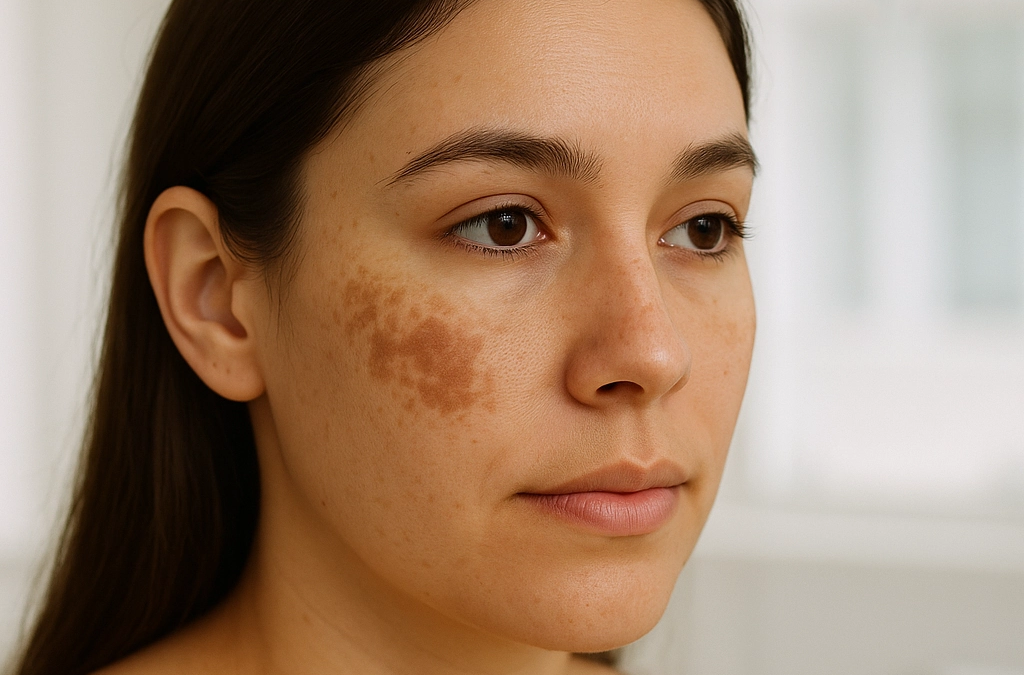
Melasma in Arizona: Tips and Best Practices
Living in Arizona means enjoying abundant sunshine almost year-round, but this desert blessing comes with unique skin challenges. Among these, melasma stands out as a particularly frustrating...

Skincare Routines for Teens, Adults, and Seniors
At Arizona Skin Institute, we understand that skincare isn't one-size-fits-all. Your skin's needs evolve dramatically throughout your life, requiring different approaches and ingredients at each...
Schedule An Appointment
Surprise
Buckeye
