
Dermal fillers have revolutionized aesthetic medicine, offering a way to restore youthful volume, smooth wrinkles, and enhance facial contours without surgery. As we move into 2026, the filler landscape continues to evolve with innovative products, refined techniques, and a better understanding of how to achieve natural-looking results.
Whether you’re considering your first filler treatment or looking to enhance your current routine, this comprehensive guide covers everything you need to know about dermal fillers.
What Are Dermal Fillers?
Dermal fillers are injectable treatments that work beneath the skin’s surface to restore lost volume, provide structural support, and deliver deep hydration. Unlike Botox, which temporarily relaxes muscles to reduce dynamic wrinkles, fillers physically plump and support the skin by replacing volume that naturally diminishes with age.

The Aging Process: As we age, several changes occur simultaneously:
- Fat loss: Facial fat pads shrink and descend
- Bone resorption: Facial bone density decreases, reducing structural support
- Collagen depletion: Natural collagen production slows by approximately 1% per year after age 20
- Skin elasticity loss: Elastin fibers break down, reducing skin’s ability to bounce back
These changes lead to hollowed cheeks, deeper nasolabial folds (smile lines), thinning lips, under-eye hollows, and sagging skin. Fillers counteract these changes by strategically replenishing volume exactly where it’s needed most.
Types of Dermal Fillers Available
The filler market offers several different materials, each with unique properties, mechanisms of action, and durations:
Hyaluronic Acid (HA) Fillers
Popular brands: Juvéderm®, Restylane®, Belotero®, RHA® Collection
Duration: 6-18 months (varies by product and placement)
Best for: Lips, fine lines, moderate wrinkles, under-eye hollows, cheek augmentation
How they work: Hyaluronic acid is a naturally occurring substance in our skin that attracts and holds up to 1,000 times its weight in water. HA fillers provide immediate volumizing results and deep hydration.
Key advantages:
- Immediate, visible results
- Reversible with hyaluronidase enzyme if needed
- Excellent safety profile
- Multiple formulations for different areas and depths
- Ideal for first-time patients
Product variations:
- Juvéderm Voluma®: Designed for cheek augmentation (up to 2 years)
- Juvéderm Volbella®: Ultra-smooth for lips and perioral lines (up to 1 year)
- Restylane Kysse®: Specifically formulated for natural lip enhancement
- RHA® Collection: Designed to adapt to facial movement for dynamic areas
Calcium Hydroxylapatite (CaHA)
Popular brands: Radiesse®
Duration: 12-18 months (volume), collagen stimulation continues longer
Best for: Deeper wrinkles, cheek augmentation, jawline contouring, hand rejuvenation
How they work: CaHA fillers contain microspheres suspended in a gel carrier. The gel provides immediate volume while the microspheres stimulate your body’s natural collagen production over time.
Key advantages:
- Dual action: immediate volume + long-term collagen stimulation
- Longer-lasting than most HA fillers
- Excellent for structural support
- Can be diluted for hand rejuvenation (“Radiesse hand lift”)
Considerations: Cannot be dissolved like HA fillers; requires experienced injector for optimal placement.
Poly-L-Lactic Acid (PLLA)
Popular brands: Sculptra® Aesthetic
Duration: 2+ years (results develop gradually over 3-6 months)
Best for: Overall facial volume loss, deep wrinkles, temple hollowing, buttock augmentation (Sculptra Butt Lift)
How it works: PLLA is a biocompatible, biodegradable synthetic substance that works as a collagen biostimulator. Rather than providing immediate volume, it gradually encourages your skin to produce more collagen over several months.
Key advantages:
- Natural-looking, gradual improvement
- Long-lasting results (2+ years)
- Addresses overall volume loss rather than isolated areas
- Stimulates your own collagen production
Treatment protocol:
- Typically requires 2-3 treatment sessions spaced 4-6 weeks apart
- Results develop over 3-6 months as collagen builds
- Requires proper dilution and massage post-treatment
Considerations: Not ideal for patients seeking immediate results; requires patience and commitment to treatment series.
Polymethyl Methacrylate (PMMA)
Popular brands: Bellafill®
Duration: 5+ years (considered semi-permanent)
Best for: Deep nasolabial folds, acne scars
How it works: PMMA fillers contain tiny microspheres suspended in a collagen gel. The collagen provides immediate volume while the PMMA microspheres create a scaffold for your body’s own collagen to grow around, providing long-term support.
Key advantages:
- Longest-lasting FDA-approved filler
- Proven track record (over 20 years of use)
- Cost-effective over time due to longevity
Important considerations:
- Semi-permanent nature requires careful consideration
- Cannot be easily reversed or dissolved
- Requires allergy testing before treatment
- Best for patients who have tried temporary fillers and know their desired outcome
- Should only be administered by highly experienced injectors
Exciting New Fillers Coming in 2026
The filler industry continues to innovate, with several groundbreaking products expected to receive FDA approval or expanded indications in 2026:
Evolysse Sculpt (Evolus)
This new hyaluronic acid filler uses proprietary Cold-X Technology™ to preserve the HA molecule’s natural structure during manufacturing. Early clinical studies suggest this results in more natural movement and potentially longer-lasting results compared to traditional HA fillers.
Expected approval: Second half of 2026
Target areas: Mid-face volume restoration, cheek augmentation
Potential advantages: Enhanced integration with facial tissue, reduced swelling
Saypha MagIQ (Obagi Medical)
Developed in partnership with Austria’s Croma-Pharma, this innovative HA filler demonstrated impressive results in clinical trials involving 270 patients. Participants reported consistent, natural-looking improvements that maintained their quality through 48 weeks of follow-up.
Key features:
- Advanced cross-linking technology
- Designed for natural facial movement
- Extended duration compared to first-generation HA fillers
Note: While these products show promise, always wait for full FDA approval and post-market data before considering new treatments.
Modern Treatment Approaches
Today’s filler techniques have evolved far beyond simply “filling wrinkles.” Expert practitioners now use sophisticated, multi-layered strategies:
Structural Filling (Deep Plane)
This approach focuses on rebuilding the underlying support structure of your face, addressing the root causes of aging rather than just surface symptoms.
Technique: Using longer-lasting fillers like CaHA or PLLA, providers restore volume to foundational areas:
- Temples: Prevents hollowing and lifts the brow area
- Mid-face/cheeks: Restores youthful fullness and provides lift
- Jawline: Defines contours and counteracts jowling
- Chin: Improves profile and facial balance
Benefits:
- Addresses age-related bone and fat loss
- Provides natural lift without surgery
- Creates foundation for other treatments
- Longer-lasting results
Superficial Filling (Surface Enhancement)
This technique uses lighter HA fillers placed in the superficial to mid-dermal layers to refine surface details.
Applications:
- Smoothing fine lines and wrinkles
- Enhancing lip texture and definition
- Providing overall skin hydration
- Softening perioral lines (around the mouth)
Benefits:
- Natural, subtle enhancement
- Minimal downtime
- Perfect for maintenance between structural treatments
- Addresses skin quality, not just volume
The Liquid Facelift
Many patients now opt for comprehensive filler treatments that address multiple areas in a coordinated session, creating harmonious facial rejuvenation.
Typical liquid facelift may include:
- Cheek augmentation for mid-face lift
- Under-eye filling to reduce hollows and dark circles
- Nasolabial fold softening
- Lip enhancement and perioral line smoothing
- Jawline contouring and definition
- Chin augmentation for profile balance
Advantages:
- Comprehensive rejuvenation in one session
- Harmonious, balanced results
- Non-surgical alternative to facelift
- Immediate results with minimal downtime
Considerations:
- Requires significant expertise in facial anatomy
- Higher initial investment (typically $3,000-$8,000+)
- May require staged approach for optimal results
- Not suitable for all patients
What to Expect During Treatment
Modern filler treatments are designed with patient comfort and safety in mind.

Before Treatment
Consultation (30-45 minutes):
- Comprehensive facial assessment and analysis
- Discussion of your aesthetic goals and concerns
- Review of medical history and medications
- Explanation of recommended products and techniques
- Before photos for documentation
- Discussion of costs and expected outcomes
Pre-treatment instructions:
- Avoid blood-thinning medications and supplements (aspirin, ibuprofen, vitamin E, fish oil) for 7-10 days if medically safe
- Avoid alcohol for 24-48 hours before treatment
- Arrive with clean skin (no makeup)
- Consider scheduling around important events (allow 1-2 weeks for swelling to fully resolve)
During Treatment (30-60 minutes)
- Cleansing: Treatment area is thoroughly cleansed with antiseptic solution
- Numbing: Topical anesthetic may be applied (most modern fillers contain lidocaine)
- Marking: Provider may mark injection points for precision
- Injection: Filler is injected using fine needles or blunt-tip cannulas
- Needles: More precise, better for specific points
- Cannulas: Fewer entry points, reduced bruising risk, better for larger areas
- Massage: Provider may gently massage to ensure even distribution
- Assessment: Immediate evaluation and any necessary adjustments
Sensation: Most patients describe slight pressure, pinching, or stinging. Discomfort is typically minimal due to lidocaine in modern fillers.
After Treatment
Immediate effects:
- Visible results immediately (though swelling may mask final outcome)
- Some swelling and mild bruising is normal
- Possible redness at injection sites
- Slight asymmetry may be present initially due to swelling
Recovery timeline:
- Days 1-3: Peak swelling, possible bruising
- Days 4-7: Swelling subsides, bruising fades
- Week 2: Final results become apparent as swelling fully resolves
- Week 2-4: Filler settles into optimal position
Post-treatment care:
- Apply ice packs for 10-15 minutes every hour for the first 24 hours
- Sleep elevated (extra pillow) for 2-3 nights
- Avoid strenuous exercise for 24-48 hours
- Avoid alcohol for 24 hours
- Avoid excessive heat (saunas, hot yoga) for 48 hours
- Avoid dental work for 2 weeks
- Gentle skincare only for 24 hours
- Avoid makeup for 12-24 hours if possible
When to contact your provider:
- Severe pain or unusual symptoms
- Skin color changes (blanching, purple discoloration)
- Vision changes
- Extreme swelling or asymmetry beyond day 3
Results and Longevity
Duration by Filler Type
Hyaluronic Acid:
- Lips: 6-9 months
- Nasolabial folds: 9-12 months
- Cheeks: 12-18 months
- Under eyes: 9-12 months
Calcium Hydroxylapatite (Radiesse): 12-18 months
Poly-L-Lactic Acid (Sculptra): 2+ years
PMMA (Bellafill): 5+ years
Factors affecting longevity:
- Metabolism (faster metabolism = shorter duration)
- Treatment area (high-movement areas break down faster)
- Lifestyle factors (smoking, sun exposure, stress)
- Amount of filler used
- Injection technique and depth
- Individual body chemistry
Patient Satisfaction
Clinical studies consistently show high patient satisfaction with filler treatments:
- Over 90% of patients report improvement after filler injections
- Results typically rated from “improved” to “very much improved”
- Satisfaction rates highest when patients have realistic expectations
- Repeat treatment rates are high, indicating sustained satisfaction
Key Factors for Optimal Results
- Skilled injector selection: Choose a board-certified dermatologist or plastic surgeon with extensive filler experience and artistic eye
- Realistic expectations: Fillers enhance your natural features rather than completely transforming your appearance
- Proper aftercare: Following post-treatment instructions ensures optimal healing and results
- Maintenance schedule: Regular touch-ups maintain consistent, natural-looking results
- Open communication: Discuss concerns and desired adjustments with your provider
Combination Treatments for Enhanced Results
The most impressive aesthetic outcomes often come from combining fillers with complementary treatments:
Fillers + Botox (The Classic Duo)
Why it works: Botox addresses dynamic wrinkles caused by muscle movement (forehead lines, crow’s feet, frown lines), while fillers restore lost volume and smooth static wrinkles (nasolabial folds, marionette lines, lip thinning).
Benefits:
- Comprehensive facial rejuvenation
- Addresses both volume loss and muscle-related wrinkles
- Natural, balanced results
- Most popular combination treatment
Typical protocol: Botox first, fillers 1-2 weeks later (or same day with experienced provider)
Fillers + Microneedling with RF
Why it works: Radiofrequency microneedling performed 4-6 weeks after filler placement enhances collagen production and improves overall skin texture, quality, and tone.
Benefits:
- Enhanced skin tightening
- Improved texture and pore size
- Increased collagen production
- Synergistic anti-aging effects
Timing: Wait 4-6 weeks after filler before microneedling to allow complete integration
Fillers + PRP or Exosomes
Why it works: Adding platelet-rich plasma (PRP) or exosome therapy to filler treatments boosts regenerative healing, enhances collagen production, and may extend filler longevity.
Benefits:
- Accelerated healing
- Enhanced tissue regeneration
- Improved skin quality
- Potential for longer-lasting results
Application: Can be injected simultaneously or as separate treatment
Fillers + Skin Boosters
Why it works: Skin boosters (like Profhilo, Seventy Hyal, or Skinvive) deliver deep hydration and stimulate collagen without adding volume, creating the perfect complement to structural fillers.
Benefits:
- Enhanced skin hydration and glow
- Improved skin elasticity
- Addresses skin quality, not just volume
- Natural, refreshed appearance
Difference from fillers: Skin boosters spread throughout tissue for overall improvement rather than targeted volume restoration
Fillers + Laser Treatments
Why it works: Laser treatments (CO2, Fraxel, IPL) address pigmentation, texture, and skin quality issues that fillers cannot correct.
Benefits:
- Comprehensive skin rejuvenation
- Addresses multiple signs of aging
- Enhanced overall appearance
Timing: Typically perform laser treatments before or after fillers (not simultaneously); consult with provider for optimal sequencing
Safety Considerations
While dermal fillers have an excellent safety profile when performed by qualified professionals, it’s important to understand potential risks and how to minimize them.
Common Temporary Side Effects
Expected (resolve within 1-2 weeks):
- Swelling at injection sites
- Bruising (more common with needles than cannulas)
- Redness and tenderness
- Mild asymmetry initially
- Firmness or lumps (usually resolve with massage)
Rare but Serious Complications
Vascular occlusion (extremely rare but serious):
- Occurs when filler accidentally enters or compresses a blood vessel
- Can cause tissue damage or, in very rare cases, vision loss
- Signs: Severe pain, skin blanching (turning white), purple discoloration, vision changes
- Prevention: Experienced injector, knowledge of facial anatomy, aspiration technique, use of cannulas in high-risk areas
- Treatment: Immediate hyaluronidase injection (for HA fillers) and emergency medical care
Infection:
- Rare with proper sterile technique
- Signs: Increasing redness, warmth, pain, pus, fever
- Prevention: Sterile technique, clean skin, avoiding treatment during active skin infections
- Treatment: Antibiotics, possible filler removal
Allergic reaction:
- Very rare with modern fillers
- More common with collagen-based fillers (rarely used now)
- Prevention: Allergy testing for PMMA fillers (Bellafill)
Nodules or granulomas:
- Firm lumps that develop weeks to months after treatment
- More common with semi-permanent fillers
- Treatment: Steroid injections, hyaluronidase (for HA), or surgical removal
Minimizing Risks: Provider Selection is Critical
Choose providers who:
- Are board-certified dermatologists or plastic surgeons
- Have extensive filler experience (ask how many treatments they perform monthly)
- Use only FDA-approved products from authorized distributors
- Maintain emergency protocols and have hyaluronidase on-site
- Provide comprehensive consultations and informed consent
- Show before/after photos of their actual patients
- Prioritize natural results over dramatic transformations
Red flags to avoid:
- Significantly discounted prices (may indicate counterfeit products)
- Non-medical settings (spas, salons, “filler parties”)
- Providers who won’t disclose product brands
- Pressure to treat immediately without consultation
- Promises of permanent results with temporary fillers
Contraindications (Who Should NOT Get Fillers)
Absolute contraindications:
- Active infection or inflammation at treatment site
- Known allergy to filler ingredients
- Pregnancy or breastfeeding (safety not established)
Relative contraindications (discuss with provider):
- History of severe allergies or anaphylaxis
- Autoimmune disorders
- Blood clotting disorders or use of blood thinners
- History of keloid scarring
- Active acne or rosacea flare-ups
- Recent dental work or upcoming dental procedures
Cost Considerations
Dermal filler pricing varies significantly based on several factors:
- Geographic location (urban areas typically more expensive)
- Provider expertise and credentials
- Product brand and type
- Number of syringes needed
- Facility overhead
Value Considerations
Don’t choose based on price alone:
- Skill and experience matter more than cost
- Complications from inexperienced injectors cost more to fix
- Quality products from authorized distributors ensure safety
- Natural results require artistic skill, not just product
Ways to make treatment more affordable:
- Loyalty programs and membership plans
- Package deals for multiple areas
- Seasonal promotions (but verify product authenticity)
- Financing options through CareCredit or similar programs
- Prioritize areas for staged treatment approach
Making the Right Choice for You
The best filler option depends on multiple individual factors. During your consultation, discuss:
Your Specific Goals
- What bothers you most about your appearance?
- Are you seeking subtle enhancement or more dramatic change?
- Which areas concern you most?
- Do you want immediate results or gradual improvement?
- How important is longevity vs. reversibility?
Lifestyle and Commitment
- How much downtime can you accommodate?
- Are you comfortable with a treatment series (Sculptra) or prefer one-time treatments?
- Can you commit to maintenance appointments?
- What’s your budget for initial treatment and maintenance?
Medical History
- Any previous cosmetic treatments?
- Allergies or sensitivities?
- Current medications or supplements?
- Any autoimmune conditions or bleeding disorders?
- Previous reactions to injectable treatments?
Timeline and Expectations
- Do you have an upcoming event?
- How soon do you want to see results?
- What does “natural” mean to you?
- Have you seen examples of results you like?
Looking Ahead: The Future of Fillers
As we move through 2025-2026, expect continued innovation in filler technology:
Emerging Trends
Longer-lasting formulations:
- Next-generation HA fillers with extended duration
- Improved biostimulators with enhanced collagen production
- Better understanding of optimal injection techniques for longevity
Improved safety profiles:
- Advanced cross-linking technologies reducing complications
- Better visualization techniques (ultrasound guidance)
- Enhanced training and certification programs for injectors
Specialized products:
- Area-specific formulations (e.g., dedicated under-eye fillers)
- Customizable viscosity and elasticity
- Combination products (filler + biostimulator in one)
Natural enhancement focus:
- Shift away from overdone, obvious results
- Emphasis on facial harmony and proportion
- Preventative treatments starting at younger ages
- “Prejuvenation” rather than correction
Technology Integration
- AI-assisted treatment planning: Computer analysis for optimal injection points
- 3D imaging: Better visualization of treatment outcomes before injection
- Ultrasound guidance: Real-time visualization during injection for enhanced safety
- Personalized formulations: Custom-blended fillers for individual needs
Whether you’re ready to schedule your first filler consultation or looking to optimize your current treatment plan, the options available in 2025-2026 offer more possibilities than ever for achieving your aesthetic goals safely and naturally.
The key to successful filler treatment lies in:
- Choosing an experienced, qualified provider
- Having realistic expectations
- Understanding the different filler types and their applications
- Committing to proper aftercare and maintenance
- Viewing fillers as part of a comprehensive aesthetic approach
Remember: The goal of modern filler treatment is not to change who you are, but to help you look like the best, most refreshed version of yourself.
Ready to explore how dermal fillers could enhance your natural beauty?
Schedule a consultation with Arizona Skin Institute’s experienced dermatology team to create a personalized treatment plan tailored to your unique goals and facial anatomy.
This information is for educational purposes only and does not constitute medical advice. Individual results may vary. Always consult with a qualified healthcare provider to determine if dermal fillers are right for you.

Top Mistakes People Make After Fillers
Getting dermal fillers can be an exciting step toward achieving your aesthetic goals, but what happens after you leave our office is just as important as the treatment itself. Unfortunately, many...

Advancements in Non-Invasive Body Contouring
The landscape of body contouring has transformed dramatically in recent years, with Arizona leading the charge in offering cutting-edge, non-invasive technologies that deliver remarkable results...

Stress & Your Skin
How Lifestyle, Weather, and Environment Affect Flare-Ups Ever notice how your skin seems to break out right before a big presentation or how your eczema flares up during particularly stressful...

Seasonal Allergies & Your Skin
If you think Arizona's desert climate means fewer allergy problems, think again. Our unique desert environment creates some of the most challenging seasonal allergy conditions in the country, and...

What to Expect with a Full-Body Skin Exam
Why Regular Full-Body Skin Exams Are Essential in Arizona Living in Arizona means enjoying abundant sunshine year-round. While our sunny climate offers many benefits, it also puts us at higher risk...
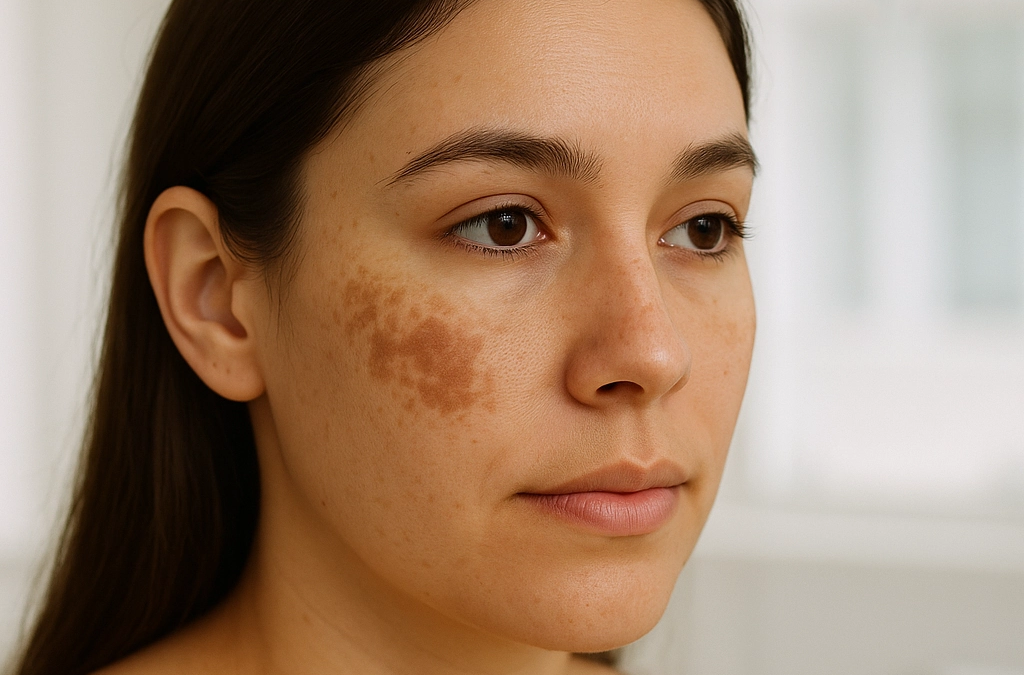
Melasma in Arizona: Tips and Best Practices
Living in Arizona means enjoying abundant sunshine almost year-round, but this desert blessing comes with unique skin challenges. Among these, melasma stands out as a particularly frustrating...

Skincare Routines for Teens, Adults, and Seniors
At Arizona Skin Institute, we understand that skincare isn't one-size-fits-all. Your skin's needs evolve dramatically throughout your life, requiring different approaches and ingredients at each...
Schedule An Appointment
Surprise
Buckeye
