
The old saying, “You are what you eat,” holds a lot of truth when it comes to skin health. Your diet provides the essential nutrients your skin needs to stay resilient, clear, and youthful. What you put into your body directly influences how your skin looks, feels, and functions. While a well-structured skincare routine with cleansers, moisturizers, and serums is vital, the food you consume acts as the foundation for your skin’s overall health. Nutrient-rich foods packed with vitamins, antioxidants, and healthy fats can reduce inflammation, combat free radicals, and promote collagen production. On the other hand, a poor diet high in processed foods and sugars can accelerate aging and lead to dullness, dryness, and breakouts. Balancing both internal and external care is the key to achieving that radiant glow.
How Nutrition Affects the Skin

The skin is the largest organ in the human body, serving as a protective barrier against environmental stressors while also reflecting your internal health. Just like any other organ, it requires proper nourishment to function at its best. A balanced, nutrient-rich diet provides the essential vitamins, minerals, and antioxidants that help support skin repair, combat inflammation, and protect against damage from pollutants and UV rays. Foods high in antioxidants, like berries and leafy greens, can neutralize free radicals that contribute to premature aging. Omega-3 fatty acids found in fish and flaxseeds help maintain skin elasticity and hydration.
On the other hand, frequent consumption of processed foods, sugary snacks, and unhealthy fats can trigger inflammation, leading to acne, dullness, and fine lines. By understanding the connection between diet and skin health, you can make mindful food choices that promote a glowing, youthful complexion. Let’s explore the key dietary components that can influence your skin’s appearance and overall well-being.
Hydration & Skin Moisture
Water is essential for overall health, and your skin is no exception. Staying properly hydrated helps maintain skin elasticity, reduces the appearance of fine lines, and flushes out toxins that can lead to breakouts and a dull complexion. Dehydrated skin often appears dry, flaky, and prone to irritation. As we mentioned in our blog post How to Make My Face Clear and Glowing Naturally, drinking 8 to 10 glasses of water per day is recommended. Additionally, there are some great foods that can help keep your skin hydrated as well.
Best Hydrating Foods:
- Cucumbers
- Watermelon
- Celery
- Oranges
- Leafy greens
The Role of Antioxidants
Antioxidants combat free radicals—unstable molecules that contribute to skin aging and damage. These powerful compounds help protect the skin from oxidative stress, which can lead to wrinkles, dark spots, and loss of elasticity.
Best Antioxidant-Rich Foods:
- Blueberries
- Green tea
- Dark chocolate (70% cacao or higher)
- Spinach
- Nuts and seeds
Tip: A diet rich in antioxidants can help fight signs of premature aging while keeping the skin supple and radiant.
The Impact of Sugar & Processed Foods
Refined sugars and processed foods can wreak havoc on the skin by triggering inflammation, increasing the risk of acne, and breaking down collagen through a process called glycation. High-glycemic foods cause spikes in blood sugar, which can stimulate excess oil production and clog pores.
Foods to Avoid or Limit:
- White bread
- Candy and pastries
- Sugary sodas
- Fried foods
- Fast food
Tip: Replace refined carbohydrates with whole grains and natural sweeteners like honey or dates for better skin health.
Healthy Fats for Glowing Skin
Healthy fats are essential for maintaining skin hydration, elasticity, and overall health. Omega-3 and omega-6 fatty acids help to strengthen the skin barrier and reduce inflammation, which can alleviate conditions such as eczema and psoriasis.
Best Healthy Fat Sources:
- Avocados
- Salmon
- Chia seeds
- Olive oil
- Almonds and walnuts
Tip: Including a balanced amount of healthy fats in your diet can improve skin resilience and reduce dryness.
The Power of Vitamins & Minerals
Vitamin C – The Collagen Booster
Vitamin C is crucial for collagen production, which keeps the skin firm and youthful. It also aids in repairing damaged skin and reducing hyperpigmentation.
Best Sources of Vitamin C:
- Citrus fruits
- Bell peppers
- Strawberries
- Kiwi
- Broccoli
Vitamin E – The Skin Protector
Vitamin E works as an antioxidant and helps protect the skin from sun damage while promoting healing.
Best Sources of Vitamin E:
- Sunflower seeds
- Almonds
- Spinach
- Avocados
Zinc – The Acne Fighter
Zinc plays a role in controlling inflammation and regulating oil production, making it an essential mineral for those prone to acne.
Best Sources of Zinc:
- Pumpkin seeds
- Chickpeas
- Lentils
- Shellfish
Tip: A well-balanced diet that includes essential vitamins and minerals can support clear, healthy skin.
Gut Health & Skin
 A healthy gut microbiome is strongly linked to clear skin. Poor gut health can lead to inflammation, which may manifest as acne, rosacea, or eczema. Eating probiotic and prebiotic-rich foods helps balance gut bacteria and, in turn, promotes healthy skin.
Best Gut-Healthy Foods:
- Yogurt (with live cultures)
- Kefir
- Sauerkraut
- Kimchi
- Garlic and onions (prebiotics)
Tip: Incorporating fermented foods and fiber-rich vegetables can improve digestion and lead to clearer skin.
What you eat has a profound effect on your skin’s health, appearance, and resilience. A diet rich in water, antioxidants, healthy fats, and essential vitamins can promote clear, youthful, and glowing skin. On the other hand, excessive sugar, processed foods, and dehydration can contribute to dullness, acne, and premature aging. By making mindful dietary choices, you can nourish your skin from within and achieve lasting radiance.
Start small—swap out processed snacks for fresh fruits, add omega-3-rich foods to your meals, and stay hydrated. Your skin will thank you!

Debunking 9 Myths on Skin Cancer
According to the American Academy of Dermatology Association, skin cancer is the most common cancer in the United States. Its current estimates suggest that 20% of the American population is likely...
Skin Conditions, Treatments & Benefits of Medical Dermatology
Medical Dermatology is a specialized branch of medicine that focuses on the diagnosis and treatment of skin diseases and conditions. It is an important area of healthcare, as skin issues can range...

Nine Benefits of Mohs Surgery: A Complete Rundown
Skin cancer is a frightening reality for many. It has the potential to leave scars, deform features, spread to other organs, and even threaten one's life if left untreated. This serious medical...

How to Tell Basal Cell vs. Squamous Cell Carcinoma Apart
Basal cell carcinoma and squamous cell carcinoma are the most common skin cancers in the United States. These malignant (cancerous) diseases begin in the cells that cover or line human organs. Both...
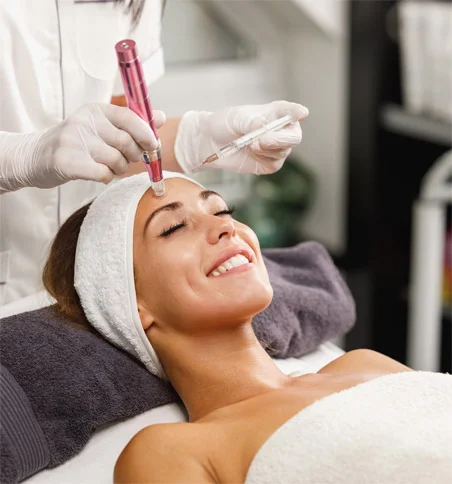
What is Microneedling?
Microneedling is a minimally invasive procedure that promotes the production of collagen and proteins within the skin to renew its structure, elasticity, and youth. This treatment uses the body’s...

Facts About Levulan Photodynamic Therapy for Skin Cancer
Levulan photodynamic therapy is a non-invasive treatment for skin cancer, actinic keratosis, acne, and various other skin conditions. Read on to understand its benefits and limitations. What is...

“I Have a New Mole”: Causes and When to See a Dermatologist
Moles are incredibly common, with most adults having between 10 and 40, according to the National Cancer Institute (NCI). The technical term for a mole is nevus (plural: nevi), which is the Latin...
Schedule An Appointment
Surprise
Buckeye
