
If you’ve ever started a new skincare product only to find your skin looking worse before it looks better, you’re not alone. It’s a frustrating experience that often leads to confusion: Is my skin purging or am I just breaking out?
Understanding the difference between skin purging and breakouts is essential for making smart skincare decisions. Acting too quickly can cause you to abandon a product that could have helped you—or worse, irritate your skin further. Here’s everything you need to know about telling the difference, what to expect, and when it’s time to reassess your routine.
What is Skin Purging?
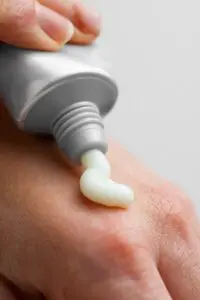 Skin purging happens when a skincare product accelerates the skin’s natural exfoliation process, causing underlying congestion to come to the surface faster than normal. Products containing active ingredients like retinoids, alpha hydroxy acids (AHAs), beta hydroxy acids (BHAs), and vitamin C are common culprits. These ingredients speed up cell turnover, revealing smoother, healthier skin—but in the short term, they can bring hidden pimples and clogged pores to the surface all at once.
Think of it like cleaning out a closet: things get messier before they get organized. Similarly, purging is often a necessary, but temporary, phase that signals the product is doing its job.
What Causes Regular Breakouts?
On the other hand, a regular breakout happens when your skin reacts negatively to an ingredient, stress, hormones, or bacteria. Breakouts could be due to pore-clogging ingredients (comedogenic products), allergic reactions, or even physical irritation like over-washing or aggressive exfoliation.
Unlike purging, breakouts are a sign that something is wrong—your skin isn’t adjusting, it’s protesting.
How to Tell the Difference: Key Signs
- Timing
- Purging usually begins within a few days to a week of starting a new active product and typically clears within 4 to 6 weeks.
- Breakouts may appear anytime after using a product and continue or worsen over time if the product remains in use.
- Location
- Purging tends to occur in areas where you normally experience breakouts.
- Breakouts caused by irritation or allergies often happen in new areas where you don’t usually see acne.
- Type of Blemish
- Purging brings up clogged pores, blackheads, small pimples, or whiteheads—things that were already brewing beneath the surface.
- Breakouts may include new kinds of irritation, like cystic acne, widespread redness, hives, or unusual swelling.
- Severity
- Purging tends to be moderate, with flare-ups that slowly improve week by week.
- Breakouts may escalate, with more painful, inflamed, or cystic lesions forming even with continued use.
- Product Ingredients
- If you’re introducing an exfoliant, retinoid, or other resurfacing treatment, purging is a strong possibility.
- If the new product is heavy, oily, heavily fragranced, or full of known irritants, breakouts are more likely the cause.
What to Do If You Suspect Purging
If you think you’re purging, don’t panic! Here are a few smart steps to manage the process:
- Stick with the product for at least 4–6 weeks, unless you experience signs of an allergic reaction like intense itching, burning, or swelling.
- Simplify the rest of your routine—use gentle cleansers, moisturizers, and sunscreen without introducing other new actives.
- Introduce active products slowly. For example, use a new retinol just once or twice a week at first and build up tolerance.
- Avoid picking at your skin, which can prolong healing and cause scarring.
- Hydrate and protect. Keeping your skin barrier healthy during this time is critical for long-term results.
What to Do If It’s a Breakout
If you realize you’re dealing with a true breakout, stop using the offending product immediately. Continuing to use something that irritates your skin can lead to more severe problems, including prolonged inflammation and post-inflammatory hyperpigmentation (dark spots left after acne heals).
Here’s how to treat a breakout:
- Discontinue the new product and switch to a gentle, soothing routine.
- Spot treat with calming ingredients like benzoyl peroxide or salicylic acid if tolerated.
- Give your skin time to recover—it can take several days to a few weeks for the inflammation to subside fully.
- Consult a dermatologist if breakouts persist or worsen, especially if you experience painful cysts or nodules.
How to Minimize the Risk of Purging or Breakouts
Prevention is always better than cure. Here’s how to minimize the risks:
- Patch test new products by applying a small amount on your inner forearm or behind your ear for several days before using it on your face.
- Start slowly with new active ingredients, giving your skin time to adjust.
- Use non-comedogenic products, especially moisturizers and sunscreens.
- Listen to your skin—tightness, burning, and intense redness are signs you might be doing too much too soon.
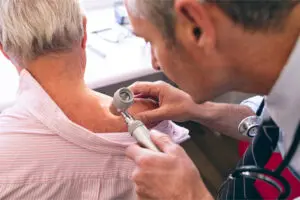 Skin purging can be a frustrating but ultimately rewarding process that leads to brighter, clearer skin. However, it’s important to understand the difference between a purge and a breakout so you can act wisely.
If the reaction happens quickly, in your usual breakout areas, and with a known resurfacing ingredient, it’s likely a purge. If it’s prolonged, painful, or happening in new areas, it’s likely a breakout.
When in doubt, trust your instincts—and don’t be afraid to consult a skincare professional who can guide you through the adjustment period safely.
Remember, the goal is long-term skin health, and sometimes, a little patience pays off with beautiful results.

Choosing the Right Skincare Products for Your Skin Type
Beautiful and healthy skin is a reflection of proper skincare, and choosing the right products tailored to your specific skin type is paramount. With a multitude of skincare products available in...

Rosacea 101
Understanding Symptoms, Triggers, and Effective Therapies Rosacea is a common yet often misunderstood skin condition that affects millions of people worldwide. Characterized by redness, visible...

Crossing the Bridge Between High Blood Pressure and Psoriasis
One affects the heart; the other impacts the skin. Despite their seemingly unrelated nature, clinical researchers uncovered a link between high blood pressure and psoriasis. Exploring the...
Unveiling the Age-Defying Elixir
The Benefits of BOTOX, Procedure, Recovery, and Longevity Explained The quest for eternal youth and radiant skin has driven numerous innovations in the field of cosmetic dermatology. Among these,...
The Arizona Sun and Skin Cancer
Unveiling the Connection and Exploring Possible Treatments Arizona, known for its stunning landscapes and abundant sunshine, offers residents and visitors an inviting climate. However, the intense...
Can Sunscreen Prevent Cancer? Yes, No, It’s Complicated
Basking in the sun's warmth is one of life's simple pleasures. Sunbathing stimulates vitamin D production, keeps the blues away by reducing stress and depression, and helps the body absorb calcium,...

Advantages of Superficial Radiation Therapy for Seniors
If you have skin cancer and can no longer undergo surgery due to advancing age or coexisting health problems, superficial radiation therapy (SRT) is a groundbreaking treatment option. This...
Schedule An Appointment
Surprise
Buckeye
