
Microneedling has become one of the most popular skin treatments for good reason: it’s effective, versatile, and works for almost everyone. As we move into 2026, this treatment continues to evolve with advanced techniques, improved safety protocols, and more personalized approaches to help you achieve your best skin yet.
Whether you’re dealing with acne scars, fine lines, hyperpigmentation, or simply want to boost your skin’s overall radiance, this comprehensive guide will walk you through everything you need to know about microneedling.
What Is Microneedling?
Microneedling (also called collagen induction therapy or percutaneous collagen induction) is a minimally invasive cosmetic procedure that uses tiny, sterile needles to create controlled micro-injuries in your skin. Don’t worry—it sounds scarier than it actually is! These microscopic punctures trigger your body’s natural wound-healing response, dramatically increasing collagen and elastin production.
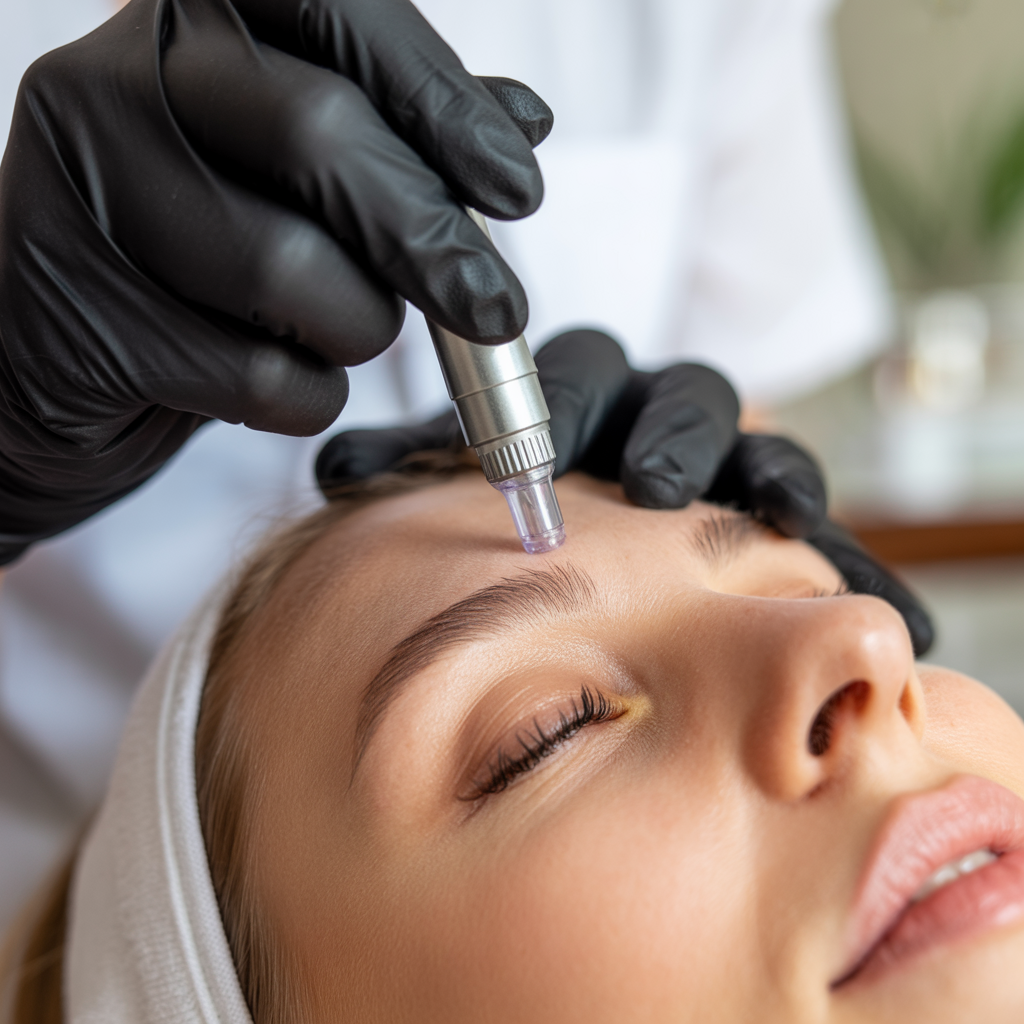
Think of it as giving your skin a strategic wake-up call. When your skin detects these controlled micro-injuries, it immediately shifts into repair mode, producing fresh collagen, elastin, and new skin cells. The result? Firmer, smoother, more youthful-looking skin that glows from within.
Types of Microneedling Devices
The procedure can be performed using different types of devices, each with distinct advantages:
Manual Dermarollers:
- Handheld roller with multiple needles
- Roll across the skin in multiple directions
- Best for: At-home superficial treatments (0.25-0.5mm only)
- Limitations: Less precise depth control, uneven pressure
Manual Dermastamps:
- Handheld stamp pressed vertically into skin
- More controlled than rollers
- Best for: Targeted areas like acne scars
- Limitations: Time-consuming for large areas
Motorized Pen Devices (Professional):
- Automated vertical needle movement
- Precise depth and speed control
- Best for: Professional treatments with consistent results
- Examples: SkinPen®, Dermapen®, Eclipse MicroPen®
Radiofrequency (RF) Microneedling:
- Combines microneedling with radiofrequency energy
- Delivers heat deep into dermis for enhanced collagen production
- Best for: Significant skin tightening and rejuvenation
- Examples: Morpheus8, Profound RF, Vivace
- Note: More aggressive with longer downtime but superior results for laxity
Morpheus8 deserves special mention as one of the most advanced RF microneedling systems available. It combines microneedling with fractional radiofrequency energy to remodel collagen in the deeper layers of the skin. Morpheus8 can treat both face and body, making it particularly effective for:
- Skin tightening and lifting
- Deep wrinkles and folds
- Acne scars
- Stretch marks
- Body contouring
- Submental (under chin) fat reduction
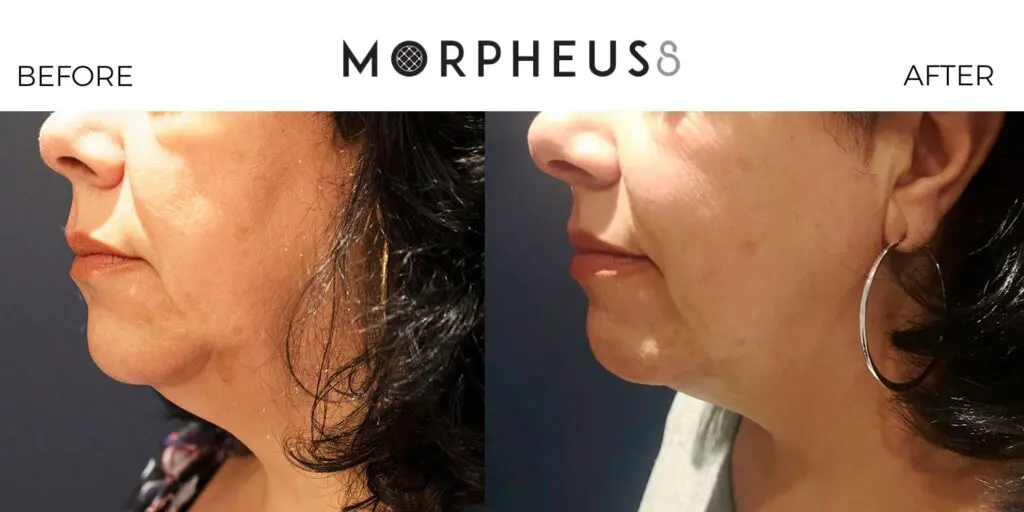
The device can penetrate up to 4mm deep with adjustable needle depths, allowing for highly customized treatments based on your specific concerns and treatment areas.
Microneedling with PRP (Platelet-Rich Plasma):
- Often called the “Vampire Facial”
- Your own blood platelets applied during treatment
- Enhances healing and collagen production
- Best for: Maximum rejuvenation and scar improvement
How Microneedling Works: The Science Behind Healthier Skin
Your skin is remarkably intelligent. When it experiences controlled damage through microneedling, it responds through a sophisticated three-phase healing process:
Phase 1: Inflammation (Immediate – 3 Days)
- Immediate response: Platelets rush to the micro-injury sites
- Growth factors released: Trigger healing cascade
- Increased blood flow: Delivers nutrients and oxygen to the area
- Visible effects: Redness, warmth, mild swelling
Phase 2: Proliferation (3 Days – 3 Weeks)
- Fibroblast activation: Cells responsible for collagen production go into overdrive
- New collagen synthesis: Type III collagen (immature) forms first
- Angiogenesis: New blood vessels develop, improving skin circulation
- Granulation tissue: Fills in micro-wounds with new tissue
Phase 3: Remodeling (3 Weeks – 6+ Months)
- Collagen maturation: Type III collagen converts to stronger Type I collagen
- Tissue reorganization: New collagen fibers align and strengthen
- Elastin production: Improves skin elasticity and resilience
- Visible improvements: Smoother texture, reduced scarring, firmer skin
The beauty of this process: It’s your own body doing the work—no foreign substances or synthetic chemicals involved. This natural approach means results are gradual but long-lasting and authentic.
Choosing the Right Needle Depth for Your Goals
Not all microneedling treatments are created equal. The needle depth you choose makes a significant difference in your results, comfort level, recovery time, and safety. Here’s how to match needle depth to your specific concerns:
Superficial Treatments (0.25-0.5mm)
Penetration level: Epidermis (outermost skin layer)
Perfect for:
- Enhancing skincare product absorption (up to 300% better penetration)
- Achieving an immediate glow and radiance
- Gentle skin renewal and texture improvement
- Sensitive skin types
- First-time microneedling patients
- Maintenance between deeper treatments
Recovery: Minimal to none; slight redness for a few hours
Can be done at home: Yes, with proper FDA-cleared devices and sterile technique
Frequency: Every 2-4 weeks
Medium-Depth Treatments (0.5-1.5mm)
Penetration level: Upper to mid-dermis
Best for:
- Fine lines and wrinkles
- Mild to moderate acne scarring
- Uneven skin texture and tone
- Sun damage and age spots
- Enlarged pores
- Early signs of aging
- Melasma and hyperpigmentation
Recovery: 2-4 days of redness and sensitivity
Professional treatment recommended: Yes, especially for depths >1.0mm
Frequency: Every 4-6 weeks
This range offers the sweet spot between effectiveness and comfort for most people, delivering noticeable improvements without excessive downtime.
Deep Treatments (1.5-3.0mm)
Penetration level: Deep dermis
Designed for:
- Deep acne scars (ice pick, boxcar, rolling scars)
- Significant stretch marks
- Severe sun damage and photoaging
- Deep wrinkles and folds
- Mature skin concerns
- Surgical scar revision
Recovery: 5-7 days of significant redness, swelling, and peeling
Professional treatment ONLY: Must be performed by trained medical professionals
Frequency: Every 6-8 weeks minimum
Important: These deeper treatments carry higher risk and should only be performed in medical settings with proper numbing, sterile technique, and post-treatment care protocols.
Area-Specific Needle Recommendations
Different areas of your face and body have varying skin thickness and sensitivity levels:
Forehead: 0.5-1.5mm
- Purpose: Horizontal lines, texture improvement, sun damage
- Considerations: Thicker skin can tolerate deeper treatment
Cheeks: 0.5-2.0mm
- Purpose: Varies by concern (0.5-1.0mm for texture; 1.5-2.0mm for deep scarring)
- Considerations: Most versatile area; can accommodate various depths
Under-eye area: 0.25-0.5mm ONLY
- Purpose: Fine lines, dark circles, crepey texture
- Critical: This delicate skin requires extremely gentle treatment
- Never exceed 0.5mm in this area due to thin skin and proximity to eyes
Nose: 0.25-0.5mm
- Purpose: Enlarged pores, blackheads, texture
- Considerations: Thin skin with high oil production
Lips and perioral area: 0.5-1.0mm
- Purpose: Lip lines, smoker’s lines, volume enhancement
- Considerations: Sensitive area; use conservative depths
Neck and décolletage: 0.5-1.5mm
- Purpose: Crepey texture, age-related concerns, sun damage
- Considerations: Thin, delicate skin; start conservative
Body (stretch marks, scars): 1.5-2.5mm
- Purpose: Significant scarring, stretch marks
- Considerations: Thicker skin can tolerate deeper penetration
The Amazing Benefits You Can Expect
Microneedling isn’t just a one-trick pony. This versatile treatment offers multiple benefits that improve progressively over time:
1. Acne Scar Improvement
Why it works: One of microneedling’s strongest applications is improving acne scars. The controlled injury breaks down old scar tissue while stimulating new collagen production to fill in indented scars, creating a smoother skin surface.
Scar types that respond well:
- Rolling scars (wave-like depressions)
- Boxcar scars (angular, defined edges)
- Ice pick scars (deep, narrow pits) – may require deeper treatment or combination therapy
Expected results:
- 30-50% improvement after 3 sessions
- 50-70% improvement after 6 sessions
- Continued improvement up to 12 months post-treatment
Best protocol: Combine with PRP or growth factors for enhanced results
2. Fine Line and Wrinkle Reduction
Why it works: As new collagen forms, it naturally plumps the skin from within, softening fine lines and preventing new ones from forming. This is especially effective around the eyes (crow’s feet), mouth (smile lines), and forehead (horizontal lines).
Expected results:
- Visible softening of fine lines after 2-3 treatments
- Continued improvement over 3-6 months
- Preventative benefits with regular maintenance
Best combined with: Botox for dynamic wrinkles, retinoids for enhanced collagen production
3. Enhanced Skin Texture and Tone
Why it works: Regular microneedling treatments help create more even skin tone by breaking up pigmentation and promoting cell turnover, while improving texture through collagen remodeling.
Improvements include:
- Smoother, softer skin surface
- Reduced roughness and bumpy texture
- More even skin tone
- Reduced appearance of large pores
- Overall radiance and glow
4. Improved Product Absorption
Why it works: Those tiny channels created by the needles allow your skincare products to penetrate up to 300% deeper, making your serums, growth factors, and moisturizers significantly more effective.
Best products to apply during/after treatment:
- Hyaluronic acid serums (deep hydration)
- Growth factors and peptides (enhanced healing)
- Vitamin C (brightening and antioxidant protection)
- PRP or exosomes (maximum regeneration)
Avoid immediately after: Retinoids, acids, harsh actives (wait 3-7 days)
5. Minimized Pore Appearance
Why it works: While microneedling can’t actually shrink pore size (pore size is genetic), it can make them appear significantly smaller by improving skin texture, firmness, and collagen structure around the pore opening.
Best results: Combine with proper cleansing, chemical peels, and oil control
6. Hyperpigmentation and Melasma Improvement
Why it works: Microneedling promotes cell turnover and can help break up pigmentation when combined with appropriate brightening agents.
Important considerations:
- Use conservative depths (0.5-1.0mm) to avoid post-inflammatory hyperpigmentation
- Essential to combine with sun protection
- May require multiple sessions
- Works best with complementary treatments (chemical peels, laser)
7. Stretch Mark Reduction
Why it works: Deeper microneedling (1.5-2.5mm) can significantly improve the appearance of stretch marks by breaking down scar tissue and stimulating new collagen in the affected areas.
Expected results:
- 30-50% improvement in appearance
- Better texture and color blending
- Requires 4-6+ treatments
8. Hair Growth Stimulation
Emerging application: Studies show microneedling can enhance hair growth when combined with topical treatments like minoxidil, particularly for androgenetic alopecia.
Protocol: 1.5mm depth on scalp, monthly treatments
Microneedling vs. RF Microneedling: What’s the Difference?
Traditional Microneedling
Mechanism: Mechanical needles create micro-injuries only
Depth: 0.25-3.0mm
Best for:
- Acne scars
- Fine lines
- Texture improvement
- Product absorption
Downtime: 1-4 days
RF (Radiofrequency) Microneedling
Mechanism: Needles deliver radiofrequency energy deep into dermis while creating micro-injuries
Depth: Typically 1.0-4.0mm with heat energy
Best for:
- Significant skin tightening and lifting
- Deep wrinkles
- Sagging skin
- Body contouring
- More dramatic results
Downtime: 3-7 days
Popular devices: Morpheus8, Profound RF, Vivace, Genius RF
Key advantage: The radiofrequency energy provides additional collagen contraction and remodeling beyond what needles alone can achieve, making it superior for skin laxity and tightening.
Morpheus8 specifically offers unique benefits:
- Fractional technology for precise energy delivery
- Customizable depth settings (1-4mm)
- Effective for both facial and body treatments
- Can target subdermal adipose tissue for contouring
- Minimal downtime compared to surgical alternatives
- Safe for all skin types
Safety First: What You Need to Know
Microneedling is generally safe when done properly, but there are important safety considerations to keep in mind:
Choose FDA-Cleared Devices
Critical: Only use devices that have been cleared by the FDA for safety and effectiveness. FDA-cleared professional devices include:
- SkinPen® (first FDA-cleared microneedling device)
- Eclipse MicroPen®
- Dermapen 4®
At-home devices: Look for FDA registration and clearance for depths ≤0.5mm
Red flags: Unauthorized devices haven’t undergone proper testing and could cause:
- Infection from non-sterile needles
- Scarring from improper depth or technique
- Skin damage from poor quality needles
Professional vs. At-Home Treatments
At-home microneedling (0.25-0.5mm):
- PROS:
- Can be done safely with proper education
- Good for maintenance and product absorption
- Minimal risk when using sterile, quality devices
- CONS:
- Limited results compared to professional treatments
- Requires strict hygiene protocols
Professional treatments (0.5mm+):
- PROS:
- Performed by trained medical professionals
- Proper numbing for comfort
- Sterile medical-grade equipment
- Customized depth and technique
- Emergency protocols if complications arise
- Better results for significant concerns
At Arizona Skin Institute, our experienced dermatology team ensures safe, effective treatments tailored to your specific skin type, concerns, and goals.
Sterile Technique is Critical
Non-negotiable safety rules:
- Each treatment must use NEW, sterile needle cartridges
- NEVER reuse needles (even on yourself)
- Ensure your provider follows proper sanitation protocols between patients
- Treatment area must be thoroughly cleansed before procedure
- Provider should wear gloves
- All products applied during treatment should be sterile or single-use
Infection risk: While rare with proper technique, infections can occur if sterile protocols aren’t followed. Signs include increasing redness, warmth, pus, or fever.
Normal vs. Concerning Side Effects
Normal side effects (expected):
- Temporary redness (few hours to 3 days, depending on depth)
- Mild to moderate swelling (especially around eyes)
- Skin sensitivity and tenderness
- Light peeling or flaking (days 3-5)
- Temporary dryness
- Pinpoint bleeding during treatment (deeper depths)
These effects are signs that your skin is healing and are typically mild and short-lived.
Concerning side effects (contact provider immediately):
- Severe pain beyond normal tenderness
- Increasing redness, warmth, or swelling after day 3
- Pus or discharge from treatment sites
- Fever or flu-like symptoms
- Severe bruising or prolonged bleeding
- Blistering or burns (especially with RF microneedling)
- Allergic reaction (hives, difficulty breathing)
Contraindications: Who Should NOT Get Microneedling
Absolute contraindications:
- Active acne breakout in treatment area
- Active skin infection (bacterial, viral, fungal)
- Open wounds or cuts
- Active cold sores or herpes outbreak
- Eczema or psoriasis flare-up in treatment area
- Keloid scarring tendency
- Bleeding disorders or taking blood thinners
- Pregnancy or breastfeeding (safety not established)
- Recent Accutane use (wait 6-12 months)
Relative contraindications (discuss with provider):
- History of keloids or hypertrophic scarring
- Autoimmune conditions
- Diabetes (may affect healing)
- Immunosuppression
- Recent chemical peels or laser treatments (wait 2-4 weeks)
- Sunburn or significant sun exposure
- Very dark skin tones (higher risk of post-inflammatory hyperpigmentation)
Preparing for Your Microneedling Treatment
Proper preparation helps ensure the best results and minimizes discomfort and complications:
2-4 Weeks Before Treatment
Skincare adjustments:
- Discontinue retinoids, tretinoin, or retinol 3-7 days before (depending on strength)
- Stop using AHAs, BHAs, and other exfoliating acids 3-5 days before
- Avoid vitamin C serums 24-48 hours before
- No waxing, threading, or depilatory creams for 5-7 days before
Sun protection:
- Avoid excessive sun exposure
- Use SPF 30+ daily
- No tanning beds or self-tanners
- Postpone treatment if you have sunburn
Medications:
- Discuss blood thinners with your doctor (may need to pause if medically safe)
- Avoid aspirin, ibuprofen, and NSAIDs for 3-7 days (increases bruising)
- Avoid fish oil, vitamin E, and other supplements that thin blood
Health considerations:
- Reschedule if you have active cold sores (may need prophylactic antiviral)
- Postpone if you have active acne breakout
- Ensure you’re well-hydrated and well-rested
Day of Treatment
Arrive prepared:
- Clean, makeup-free skin
- Hydrated (drink plenty of water)
- Well-fed (don’t come on empty stomach)
- Comfortable clothing (avoid tight collars if treating neck)
Bring to appointment:
- List of current medications and supplements
- Photos of desired results (if applicable)
- Questions for your provider
Pain Management
Topical numbing: Most providers apply a topical numbing cream containing 4-5% lidocaine (sometimes combined with prilocaine or tetracaine) about 20-30 minutes before treatment. This significantly reduces discomfort, making the procedure quite tolerable for most people.
Pain level expectations:
- 0.25-0.5mm: Minimal discomfort, feels like light scratching
- 0.5-1.5mm: Mild to moderate discomfort with numbing; prickling sensation
- 1.5-3.0mm: Moderate discomfort even with numbing; more intense pressure
Additional comfort measures:
- Cooling devices or ice packs
- Vibration tools to distract nerve signals
- Breathing techniques
- Some providers offer oral pain medication for deeper treatments
What to Expect During and After Treatment
During the Procedure (30-60 minutes)
Step-by-step process:
-
Cleansing (5 minutes): Thorough cleansing with antiseptic solution to remove all oils, makeup, and bacteria
-
Numbing (20-30 minutes): Topical anesthetic applied and left to take effect
-
Preparation (5 minutes): Numbing cream removed, skin re-cleansed, treatment area marked if needed
-
Microneedling (15-30 minutes):
- Provider systematically treats entire area
- Multiple passes in different directions for even coverage
- You’ll feel mild prickling or scratching sensation
- Many describe it as feeling like light sandpaper or a cat’s tongue
- Pinpoint bleeding is normal with deeper treatments
-
Serum application (5 minutes): Hyaluronic acid, PRP, growth factors, or other beneficial serums applied to penetrate deeply
-
Cooling and soothing (5 minutes): Calming mask or cooling treatment applied
Total appointment time: 45-90 minutes including consultation and post-care instructions
Immediate Aftercare (First 24 Hours)
What you’ll experience:
- Skin will look red and feel tender, similar to a moderate sunburn
- Possible mild swelling (especially around eyes and cheeks)
- Skin may feel tight and warm
- Possible pinpoint bleeding spots (deeper treatments)
Critical do’s:
- Apply gentle, hydrating serum or moisturizer as recommended (hyaluronic acid ideal)
- Keep skin clean but avoid harsh cleansers
- Sleep elevated (extra pillow) to reduce swelling
- Drink plenty of water
- Apply ice packs if swelling occurs (10 minutes on, 10 minutes off)
Critical don’ts:
- No makeup for 24 hours minimum (48 hours preferred)
- No direct sunlight exposure
- No swimming, hot tubs, or saunas
- No strenuous exercise or sweating
- No touching or picking at skin
- No active skincare ingredients (retinoids, acids, vitamin C)
- No alcohol consumption
The First Week: Day-by-Day Recovery
Days 1-2: Peak inflammation
- Redness and sensitivity at their highest
- Possible swelling (especially morning of day 2)
- Skin feels tight and sensitive
- Care: Gentle cleansing, hydrating products only, SPF 30+ if going outside
Days 3-5: Peeling and flaking phase
- Redness begins to subside
- Light peeling or flaking as new skin emerges (don’t pick!)
- Skin may feel dry or rough
- Care: Continue gentle routine, add richer moisturizer if needed, resist urge to exfoliate
Days 6-7: Near-normal appearance
- Most redness resolved
- Peeling complete
- Skin texture improving
- Care: Can resume most normal skincare (still avoid harsh actives), makeup okay
Week 2+: Gradual improvement
- Skin texture noticeably smoother
- Glow becomes apparent
- Can resume all normal skincare and activities
- Care: Maintain sun protection, consider gentle exfoliation if needed
Long-Term Results Timeline
Weeks 1-2: Initial glow and texture improvement from cell turnover
Weeks 3-6: Noticeable improvements in fine lines, pores, and overall skin quality as new collagen begins forming
Months 2-3: Continued enhancement as collagen production peaks
Months 3-6: Maximum results as collagen matures and remodels
Months 6-12: Sustained improvements; collagen continues to mature
Optimal results protocol:
- Series of 3-6 treatments spaced 4-6 weeks apart
- Maintenance treatments every 3-6 months
- Consistent sun protection and quality skincare
Maximizing Your Results
To get the most from your microneedling investment:

Post-Treatment Skincare Protocol
Week 1 (immediately after):
- Gentle, fragrance-free cleanser
- Hyaluronic acid serum
- Rich, barrier-repair moisturizer
- SPF 30+ (mineral sunscreen preferred)
- NO actives, acids, or retinoids
Weeks 2-4:
- Resume normal gentle cleansing
- Continue hydrating serums
- Can reintroduce vitamin C (start slowly)
- Maintain SPF protection
- Can add gentle chemical exfoliant if needed (week 3+)
Ongoing maintenance:
- Reintroduce retinoids gradually (week 3-4)
- Quality antioxidant serums
- Growth factors or peptides for enhanced results
- Consistent sun protection (non-negotiable)
Lifestyle Factors for Optimal Healing
Nutrition:
- Protein-rich diet (supports collagen synthesis)
- Vitamin C foods (citrus, berries, leafy greens)
- Omega-3 fatty acids (salmon, walnuts, flaxseed)
- Stay well-hydrated (8+ glasses water daily)
- Limit sugar and processed foods (can impair healing)
Sleep:
- Aim for 7-9 hours nightly
- Sleep on clean pillowcases
- Elevate head slightly to reduce swelling
Stress management:
- High stress impairs healing
- Practice relaxation techniques
- Adequate rest between treatments
Sun protection (CRITICAL):
- SPF 30+ daily, reapply every 2 hours
- Wear wide-brimmed hats
- Avoid peak sun hours (10am-4pm)
- Seek shade when possible
- Sun damage can reverse your results
Treatment Consistency
For optimal results:
- Complete recommended treatment series (don’t stop after one session)
- Space treatments appropriately (4-6 weeks for most protocols)
- Don’t rush treatments (skin needs time to heal and produce collagen)
- Commit to maintenance schedule
Typical protocols:
- Acne scars: 4-6 treatments, every 4-6 weeks
- Anti-aging: 3-4 treatments, every 4-6 weeks, then maintenance every 3-6 months
- Texture improvement: 3-4 treatments, every 4 weeks
- Stretch marks: 4-6+ treatments, every 6-8 weeks
Complementary Treatments
Enhance your microneedling results by combining with:
PRP (Platelet-Rich Plasma):
- Applied during or immediately after microneedling
- Enhances healing and collagen production
- Particularly effective for acne scars and anti-aging
Exosomes:
- Cutting-edge regenerative treatment
- Superior to PRP for some patients
- Powerful growth factors and signaling molecules
Chemical peels:
- Perform 2-4 weeks before or after microneedling
- Addresses pigmentation and texture
- Enhances overall results
Laser treatments:
- Can be alternated with microneedling
- Addresses different skin concerns
- Requires careful timing (consult provider)
LED light therapy:
- Can be performed immediately after microneedling
- Reduces inflammation and enhances healing
- Red light stimulates collagen production
Quality skincare:
- Medical-grade products penetrate better post-treatment
- Growth factors and peptides enhance results
- Retinoids support long-term collagen production
Is Microneedling Right for You?
Microneedling works well for most skin types and concerns, but it’s particularly effective for:
Ideal Candidates
You’re a great candidate if you:
- Have acne scars or other types of scarring
- Want to reduce fine lines and wrinkles without injectables
- Seek overall skin texture and tone improvement
- Have enlarged pores or rough skin texture
- Want to enhance your skincare product effectiveness
- Prefer gradual, natural-looking results
- Can commit to a treatment series and proper aftercare
- Have realistic expectations about results and timeline
Skin types:
- All skin types can benefit (Fitzpatrick I-VI)
- Darker skin tones require experienced provider to minimize hyperpigmentation risk
- Sensitive skin may need conservative depths and longer healing time
Who Should Consider Alternatives
Microneedling may not be ideal if you:
- Have active acne (treat acne first, then address scarring)
- Are prone to keloid scarring
- Have active skin infections or conditions
- Are pregnant or breastfeeding
- Recently used Accutane (wait 6-12 months)
- Cannot avoid sun exposure
- Want immediate results (consider fillers or Botox instead)
- Have unrealistic expectations about dramatic transformation
Alternative or Complementary Treatments
For similar concerns, consider:
- Chemical peels: Better for pigmentation and surface texture
- Laser resurfacing: More aggressive for deep wrinkles and scars
- Dermal fillers: Immediate volume restoration
- Botox: Dynamic wrinkle prevention
- Radiofrequency treatments: Skin tightening without needles (or with, like Morpheus8)
- Combination approach: Often yields best results
Frequently Asked Questions
Q: Does microneedling hurt? A: With proper numbing cream, most people rate discomfort as 2-4 out of 10. Deeper treatments are more uncomfortable but still tolerable.
Q: How long until I see results? A: Initial glow within 1-2 weeks; noticeable improvements at 4-6 weeks; maximum results at 3-6 months as collagen matures.
Q: How many treatments do I need? A: Most concerns require 3-6 treatments spaced 4-6 weeks apart, followed by maintenance every 3-6 months.
Q: Can I do microneedling at home? A: Superficial treatments (0.25-0.5mm) can be done at home with proper devices and sterile technique. Deeper treatments should only be performed professionally.
Q: Is there an age limit? A: No specific age limit, but most patients are 25+. Younger patients may use it preventatively; older patients for correction.
Q: Can I combine microneedling with Botox or fillers? A: Yes, but timing matters. Generally wait 2 weeks after Botox/fillers before microneedling, or perform microneedling first and wait 1-2 weeks before injectables.
Q: Will my insurance cover it? A: No, microneedling is considered cosmetic and not covered by insurance.
Q: How long do results last? A: Results can last 6-12+ months, but maintenance treatments help sustain improvements. Collagen production continues for months after treatment.
Q: What’s the difference between traditional microneedling and Morpheus8? A: Morpheus8 combines microneedling with radiofrequency energy for enhanced collagen remodeling and skin tightening. It penetrates deeper (up to 4mm) and provides more dramatic results, particularly for skin laxity and body contouring.
Microneedling represents one of the most versatile, effective, and scientifically-backed treatments in aesthetic dermatology. Whether you’re addressing acne scars, fighting signs of aging, or simply seeking healthier, more radiant skin, this treatment offers a minimally invasive solution with impressive results.
The keys to success:
- Choose a qualified, experienced provider
- Commit to a complete treatment series
- Follow pre- and post-treatment instructions carefully
- Maintain realistic expectations about gradual improvement
- Protect your investment with sun protection and quality skincare
- Consider combination treatments for comprehensive results
The best way to determine if microneedling is right for you is to consult with a qualified dermatologist who can assess your skin, discuss your goals, and recommend the most appropriate treatment plan tailored to your unique needs.
Ready to discover what microneedling can do for your skin?
At Arizona Skin Institute, we’re here to guide you through every step of your journey to healthier, more radiant skin. Our board-certified dermatologists use the latest FDA-cleared devices and evidence-based protocols to deliver safe, effective results.
Schedule a consultation today to learn more about how this innovative treatment can help you achieve your skin goals in 2026.
This information is for educational purposes only and does not constitute medical advice. Individual results may vary. Always consult with a qualified healthcare provider to determine if microneedling is right for you.

Exploring Botox and Dysport in 2024
In the quest for youthful, rejuvenated skin, cosmetic treatments have become increasingly popular. Among these, Botox and Dysport stand out as effective solutions for reducing wrinkles and achieving...

Skin Cancer Prevention for Outdoor Workers in Sunny Arizona
Working outdoors in Arizona requires keeping your skin healthy and protected from the harsh, unforgiving sun. With year-round warm weather and over 300 days of sunshine, cumulative sun exposure and...
Acne Treatments and Prevention Strategies
Acne, a common skin condition affecting people of all ages, can be a persistent and frustrating challenge for many. As we navigate the complexities of skincare, understanding effective acne...

Why SRT Is the Future of Non-Melanoma Treatment
Basal cell carcinoma (BCC) and squamous cell carcinoma (SCC) are the most common types of non-melanoma skin cancers. Historically, the predominant treatment protocols involved invasive procedures,...

Nurturing Your Skin In Cold Conditions
As the temperature has dropped here in Arizona, these past few weeks, our skin often faces challenges that require special attention. Cold weather can strip away the skin’s natural moisture, leaving...
Arizona’s High Melanoma Rates and What You Can Do
Arizona's estimated skin cancer incidence rate is above the U.S. national average, according to Axios and the American Cancer Society (ACS). By the numbers, the Grand Canyon State's annual melanoma...
Trends In Skin Care For 2024
As we step into the new year, the world of skincare is evolving at an unprecedented pace. With advancements in technology, a deeper understanding of skin biology, and a growing emphasis on...
Schedule An Appointment
Surprise
Buckeye
