
Your skin is like a mirror reflecting what’s happening inside your body – and nowhere is this more apparent than with hormonal changes. From your teenage years through menopause and beyond, fluctuating hormone levels continuously reshape your skin’s appearance, texture, and overall health.
Understanding how these hormonal shifts affect your skin at different life stages can help you adapt your skincare routine and set realistic expectations. More importantly, it empowers you to work with your dermatologist to address these changes proactively.
The Hormone-Skin Connection
Your skin is actually one of your body’s hormone-responsive organs, equipped with receptors for various hormones including estrogen, progesterone, testosterone, and cortisol. When these hormone levels fluctuate – whether due to age, stress, or life changes – your skin responds accordingly.
Starting in your mid-20s, hormone production begins its gradual decline. This isn’t just about aging; it’s about fundamental changes in how your skin functions. Lower hormone levels mean less collagen production, reduced natural oil production, and slower cell turnover – all contributing to the visible signs of aging we associate with getting older.
Key Hormones Affecting Your Skin
Estrogen is often called the “youth hormone” for good reason. It stimulates collagen and elastin production, maintains skin thickness, and supports the natural oils that keep your skin hydrated and glowing. Estrogen also promotes healthy blood flow to the skin, giving you that radiant complexion we associate with youthful skin.
Progesterone works alongside estrogen to maintain skin firmness and regulate oil production. However, when progesterone levels spike (like before your period), it can increase sebaceous gland activity, leading to breakouts.
Testosterone, while primarily a male hormone, plays a role in women’s skin health too. It supports skin thickness and oil production. As estrogen declines during menopause, testosterone’s relative influence increases, which can lead to hormonal acne in unexpected places like the jawline and chin.
Cortisol, your stress hormone, can wreak havoc on skin at any age. Chronic stress and elevated cortisol levels trigger inflammation, slow healing, break down collagen, and disrupt your skin’s natural barrier function.
Your 30s: The First Subtle Shifts
In your 30s, you might notice your skin doesn’t bounce back quite like it used to. That’s because estrogen levels begin their gradual decline, and collagen production starts slowing down – about 1% per year after age 30.
You might experience:
- Less natural radiance and glow
- Occasional unexpected dryness
- Fine lines appearing, especially around the eyes
- Hormonal breakouts around your jawline or chin
- Slightly slower healing from blemishes or minor skin damage
The good news? These changes are still relatively subtle, and this is the perfect time to establish a solid skincare routine and develop healthy skin habits that will serve you well in the decades ahead.
Your 40s: The Transition Years
The 40s bring more dramatic hormonal fluctuations as your body prepares for menopause. This period, called perimenopause, can start as early as your mid-30s but typically begins in the mid-40s.
During perimenopause, estrogen and progesterone levels don’t just decline – they fluctuate wildly, creating a hormonal roller coaster that your skin feels acutely. You might experience:
- Increased skin sensitivity and irritation
- More pronounced dryness, especially around the mouth and eyes
- Uneven skin tone and texture
- Larger-looking pores
- More frequent hormonal breakouts
- Accelerated appearance of fine lines and wrinkles

These changes can be frustrating, especially if you’ve never dealt with adult acne before. The key is understanding that this is a normal part of the aging process and working with a dermatologist to adjust your skincare routine accordingly.
50s and Beyond: Post-Menopause Skin Changes
After menopause, when estrogen levels drop significantly and stay low, your skin undergoes some of its most noticeable changes. Many women report that skin aging seems to accelerate rapidly during this time, and there’s scientific backing for this observation.
Post-menopausal skin changes include:
- Significant thinning of the skin (up to 30% thinner in some areas)
- Dramatic decrease in collagen production
- Reduced elasticity leading to sagging
- Increased dryness and difficulty maintaining hydration
- Slower wound healing
- Increased fragility and bruising
- Changes in skin texture, often becoming rougher
Interestingly, the degree of skin aging in post-menopausal women correlates more closely with the duration of estrogen deficiency than with chronological age alone. This explains why some women in their 60s have better skin than others in their 50s – it often comes down to when menopause occurred and how their individual hormones responded.
Hormonal Fluctuations Throughout Your Period
Even during your reproductive years, your skin goes through a monthly cycle that mirrors your hormonal fluctuations:
Week 1 (Menstruation): Both estrogen and progesterone are at their lowest, making skin drier, more sensitive, and potentially irritated.
Week 2 (Post-menstruation): Rising estrogen levels bring improved skin texture, increased moisture, and that coveted “glow.”
Week 3 (Pre-ovulation): Peak estrogen levels mean your skin is typically at its best – clear, hydrated, and radiant.
Week 4 (Pre-menstruation): Progesterone dominates, increasing oil production and potentially causing breakouts, particularly around the chin and jawline.

Understanding this cycle can help you adjust your skincare routine throughout the month and set realistic expectations for your skin’s appearance.
Stress Hormones: The Wild Card at Any Age
Cortisol, your primary stress hormone, doesn’t discriminate by age – it can affect your skin negatively whether you’re 25 or 55. Chronic stress leads to persistently elevated cortisol levels, which can cause:
- Increased inflammation throughout the body and skin
- Breakdown of collagen and elastin
- Impaired skin barrier function
- Slower healing and recovery
- Increased oil production leading to acne
- Accelerated aging
This is why stress management isn’t just good for your mental health – it’s crucial for your skin health too.
Working with Your Hormones, Not Against Them
Understanding how hormones affect your skin is the first step in developing an effective approach to skincare throughout your life. While you can’t stop hormonal changes entirely, you can work with a qualified dermatologist to:
- Adjust your skincare routine to match your current hormonal status
- Consider professional treatments that address specific concerns
- Explore hormone replacement therapy if appropriate
- Develop stress management strategies
- Create realistic expectations for your skin at different life stages
Remember, hormonal skin changes are a normal part of life, not a personal failing. Every woman experiences these changes, though the timing and severity can vary significantly from person to person.
The Bottom Line
Your hormones will continue to influence your skin throughout your life, but knowledge is power. By understanding what to expect at different ages and life stages, you can be proactive about your skin health rather than reactive.
If you’re experiencing concerning changes in your skin that seem to coincide with hormonal shifts, don’t hesitate to consult with a dermatologist. They can help you distinguish between normal hormonal changes and issues that might benefit from treatment, ensuring your skin stays as healthy as possible at every age.
Your skin’s journey through life is unique, and embracing these changes while taking good care of yourself is the best approach to maintaining healthy, resilient skin for years to come.
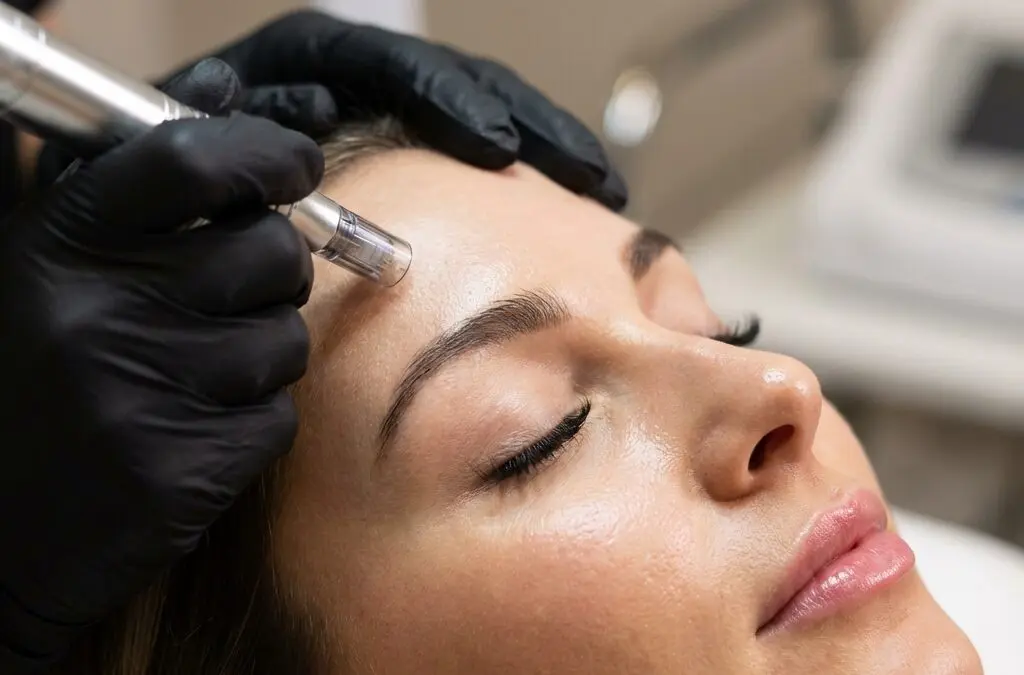
Microneedling Explained: Your 2026 Resource
Microneedling has become one of the most popular skin treatments for good reason: it's effective, versatile, and works for almost everyone. As we move into 2026, this treatment continues to evolve...
The Essential Guide to Dermal Fillers in 2025-2026
Dermal fillers have revolutionized aesthetic medicine, offering a way to restore youthful volume, smooth wrinkles, and enhance facial contours without surgery. As we move into 2026, the filler...
Your Complete Botox Guide for 2026
Botox has come a long way since its early days, and 2026 brings some exciting developments that make treatments more personalized, natural-looking, and effective than ever before. Whether you're...

Best Treatments for Neck Rejuvenation
Let's be honest – when it comes to aging, the neck is often the telltale sign that gives away our true age. While we diligently apply sunscreen and anti-aging creams to our faces, the neck area...

Top Mistakes People Make After Fillers
Getting dermal fillers can be an exciting step toward achieving your aesthetic goals, but what happens after you leave our office is just as important as the treatment itself. Unfortunately, many...

Advancements in Non-Invasive Body Contouring
The landscape of body contouring has transformed dramatically in recent years, with Arizona leading the charge in offering cutting-edge, non-invasive technologies that deliver remarkable results...

Stress & Your Skin
How Lifestyle, Weather, and Environment Affect Flare-Ups Ever notice how your skin seems to break out right before a big presentation or how your eczema flares up during particularly stressful...
Schedule An Appointment
Surprise
Buckeye
