If you’ve ever looked in the mirror and thought, “I just want to look like me, but, like, the well-rested version,” you’re not alone. And if you’ve been researching neuromodulators (fancy word for wrinkle-relaxers), you’ve probably stumbled into the Botox vs. Dysport debate.
Here’s the thing: both are amazing at smoothing lines and giving you that refreshed, natural glow, without making you look frozen or “done.” But they’re not exactly the same. So which one’s better for your goals? Let’s break it down in a way that actually makes sense.
What Exactly Are Botox and Dysport?
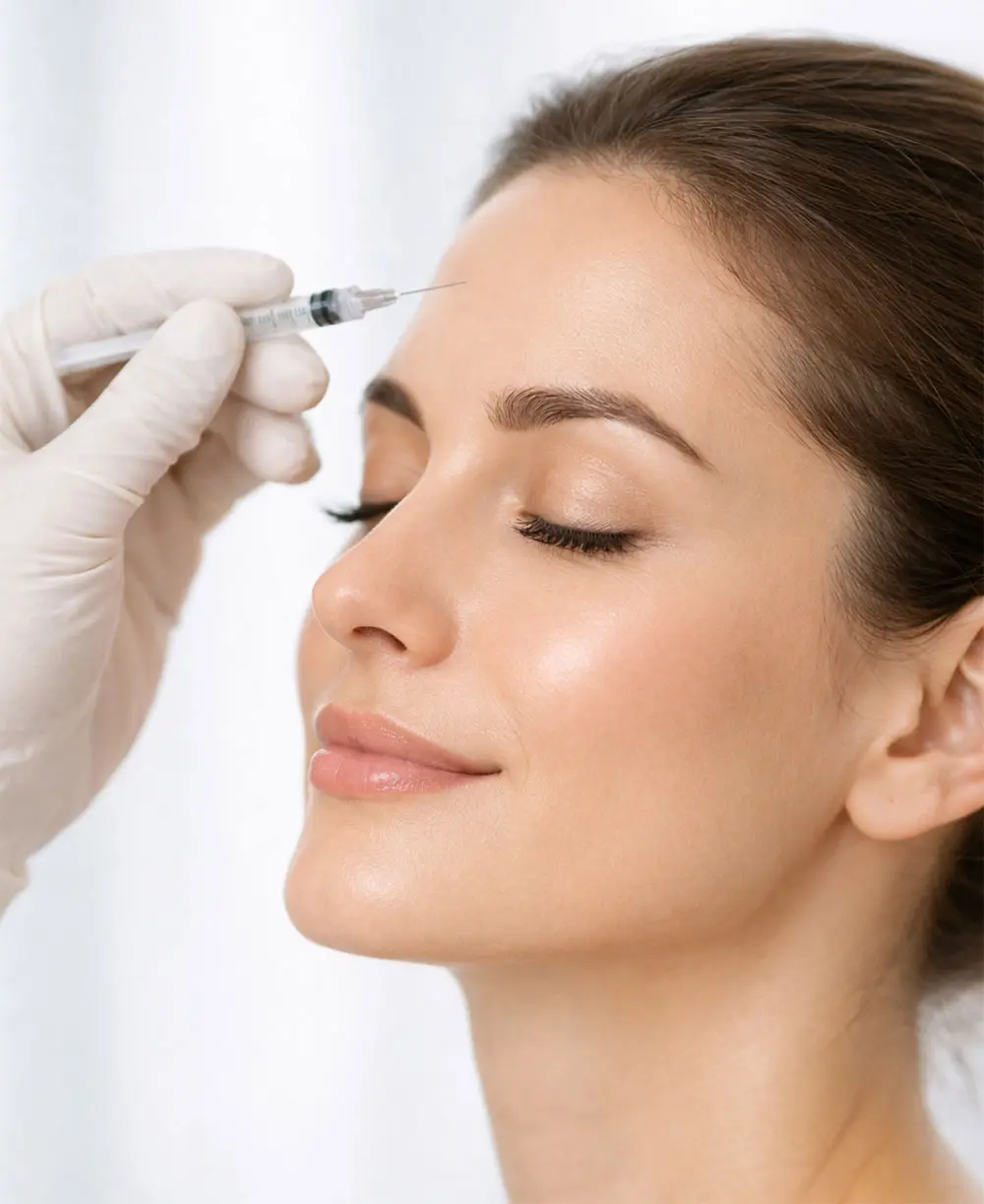
Both Botox and Dysport are FDA-approved neuromodulators made from botulinum toxin type A. Don’t let that scientific name scare you, they’ve been safely used for decades to temporarily relax the muscles that cause wrinkles.
When you squint, frown, or raise your eyebrows (hello, Arizona sun!), those facial expressions create lines over time. Botox and Dysport work by gently telling those overactive muscles to chill out, which smooths existing lines and prevents new ones from forming.
The result? A softer, more refreshed version of yourself, not a different person entirely.
The Main Differences Between Botox and Dysport
Okay, so they’re both neurotoxins that relax wrinkles. What’s the difference?
Onset Time: How Fast Do You Want Results?
Dysport is the quick starter. Most people see results in about 2-3 days, with full effects showing up around day 5. If you’ve got an event coming up or just want to see changes ASAP, Dysport’s your friend.
Botox takes a bit longer: usually 5-7 days to kick in, with full results visible around day 10-14. Some people actually prefer this gradual approach because it means changes appear more subtly. Your coworker won’t suddenly ask, “Wait, did you do something?” on day three.
Diffusion: How They Spread
This is where things get interesting.
Dysport has a broader diffusion pattern, meaning it spreads out more from the injection site. This can be a huge advantage for larger treatment areas like the forehead, where you want smooth, even coverage. It often requires fewer injection points, which means less time in the chair.
Botox is more precise and stays localized where it’s injected. This makes it ideal for smaller, detailed areas like crow’s feet or between the brows, where you want targeted control without affecting surrounding muscles.
Think of it this way: Dysport is like using a wider paintbrush for broad strokes, while Botox is your fine-tipped brush for detail work.
Which One Gives More Natural-Looking Results?
Here’s the honest answer: both can look incredibly natural when done right.
The key to natural results isn’t necessarily which product you choose: it’s about matching the right injectable to your specific treatment area and working with a skilled provider who understands facial anatomy.
That said, here’s how they each shine:
Dysport’s Natural Advantage
Dysport’s broader spread creates beautiful, even smoothing across larger areas. For forehead lines, this diffusion pattern often creates comprehensive coverage that doesn’t look patchy or overdone. The result is a smooth, natural canvas that still lets you express yourself.
Many patients also love that Dysport’s faster onset means less time wondering if it’s “working.” You see results quickly, but they don’t look overdone: just refreshed.
Botox’s Natural Advantage
Botox’s precise, localized effect gives your provider incredible control. This is especially valuable when you want to maintain natural movement in certain areas. For example, when treating crow’s feet, you still want to smile naturally: just without the deep creases. Botox’s targeted approach makes this possible.
The slower onset also has its fans. Changes appear gradually, which can feel more natural if you’re trying to keep your treatments on the down-low. No one will notice you suddenly look different on Tuesday morning.
Best Treatment Areas for Each
Go with Dysport For:
Forehead lines: That broad diffusion pattern creates beautiful, even smoothing across this larger area. You’ll typically need fewer injection points, too.
Glabellar lines (the “11s” between your brows): While both work great here, Dysport’s spread can create nice, even results in this area.
Go with Botox For:
Crow’s feet: These delicate lines around the eyes benefit from Botox’s precision. You want to smooth wrinkles without affecting your smile.
Lip lines: When treating the fine lines around the mouth, precision is key. You don’t want to accidentally affect your ability to pucker or smile naturally.
Asymmetry corrections: If one eyebrow sits higher than the other or you have uneven muscle movement, Botox’s localized effect gives your provider better control for creating balance.
Either Works Great For:
Honestly, both are fantastic for most areas. Your provider (like our very own Dr. Jay G. Mehta) can assess your specific facial anatomy, skin type, and goals to recommend what’ll work best for you.
What About Longevity?
Both Botox and Dysport typically last 3-4 months, though this varies by person. Some patients find one lasts slightly longer than the other, but the difference is usually minimal.
Here in the Greater Phoenix area: from Surprise to Scottsdale to Buckeye: our intense sun and heat can affect how long results last. Staying hydrated and protecting your skin with SPF helps maintain your results longer, regardless of which injectable you choose.
The Real Secret to Natural Results
Want to know the truth? The product matters less than the person injecting it.
An experienced, board-certified dermatologist understands facial anatomy, knows how much product to use, and: most importantly: knows when to stop. Natural results come from a conservative approach that enhances your features rather than changing them.
At Arizona Skin Institute, Dr. Mehta takes the time to understand your goals and concerns. Whether you have fair skin, deep skin tone, or anything in between, our commitment is to all skin types and creating results that look like you: just refreshed.
Can You Switch Between Them?
Absolutely! Some patients start with one and switch to the other, or even alternate between treatments. There’s no loyalty card required.
You might find you prefer Dysport for your forehead but Botox for your crow’s feet. Or you might love Dysport’s quick results during busy seasons and prefer Botox’s gradual onset when you’ve got more time.
What to Expect During Treatment
Both treatments are quick (usually 10-15 minutes), relatively comfortable, and require no downtime. You might have minor redness or tiny bumps at injection sites, but these typically resolve within an hour or two.
Whether you’re heading to Scottsdale for shopping or back to work in Surprise, you can fit treatment into your lunch break.
So, Which Should You Choose?
If you want:
- Fast results → Dysport might be your pick
- Gradual, subtle changes → Consider Botox
- Large area coverage → Dysport’s diffusion works beautifully
- Precise, detailed work → Botox’s localized effect excels
- Natural results → Both deliver when administered correctly
The best choice? Schedule a consultation to discuss your specific goals. What works for your friend or that influencer you follow might not be ideal for your unique facial structure and aesthetic goals.
Ready to Look Like the Best Version of You?
At Arizona Skin Institute, we believe everyone deserves to feel confident in their skin: and that starts with natural-looking results that enhance your unique beauty.
Whether you’re in Surprise, Scottsdale, Buckeye, or anywhere in the Greater Phoenix area, Dr. Jay G. Mehta and our team are here to help you achieve the refreshed, rested look you’re after. We treat all skin types with the same level of care, expertise, and compassion.
Ready to smooth those lines without losing your expressive, authentic self? Let’s talk about whether Botox, Dysport, or a combination of treatments is right for you.
Because the best injectable isn’t the one that’s trending: it’s the one that helps you feel like yourself again.
This information is for educational purposes only and does not constitute medical advice. Individual results may vary. Always consult with a qualified healthcare provider to determine if Botox or Dysport is right for you.

RF Microneedling vs. Traditional Microneedling
If you've been researching ways to refresh your skin, you've probably stumbled across microneedling. But then you realize there are two types, traditional and RF (radiofrequency), and suddenly...

Why Everyone Is Talking About RF Microneedling
Walk into any coffee shop in Arizona or flip through your Instagram feed, and you'll probably hear someone gushing about RF microneedling. It's not just another fleeting skincare trend, this...
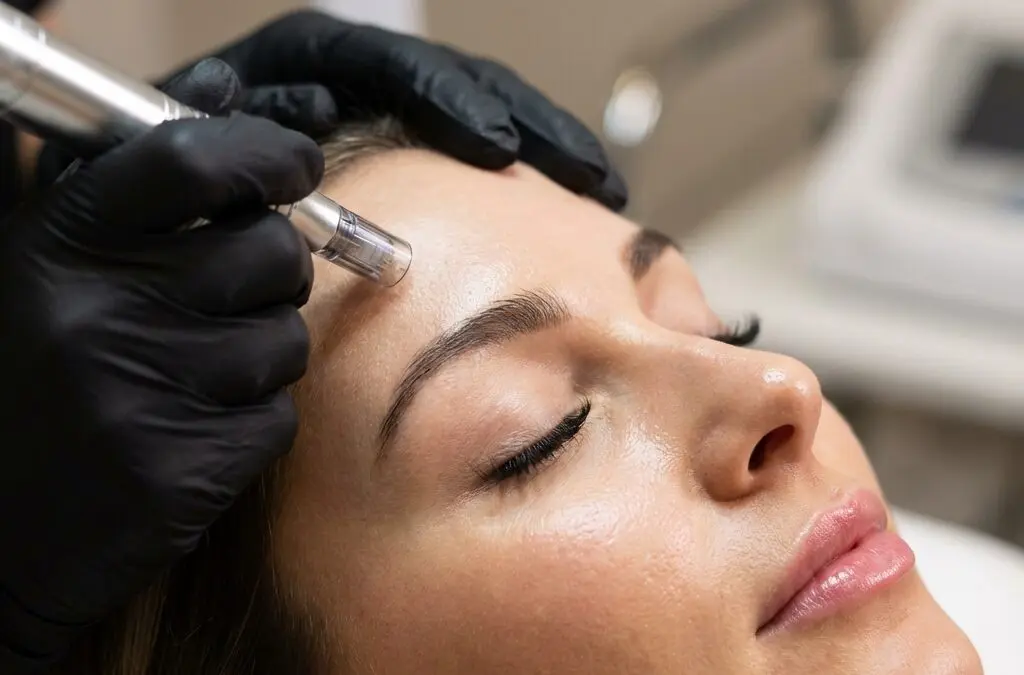
Microneedling Explained: Your 2026 Resource
Microneedling has become one of the most popular skin treatments for good reason: it's effective, versatile, and works for almost everyone. As we move into 2026, this treatment continues to evolve...

The Essential Guide to Dermal Fillers in 2025-2026
Dermal fillers have revolutionized aesthetic medicine, offering a way to restore youthful volume, smooth wrinkles, and enhance facial contours without surgery. As we move into 2026, the filler...

Your Complete Botox Guide for 2026
Botox has come a long way since its early days, and 2026 brings some exciting developments that make treatments more personalized, natural-looking, and effective than ever before. Whether you're...

Best Treatments for Neck Rejuvenation
Let's be honest – when it comes to aging, the neck is often the telltale sign that gives away our true age. While we diligently apply sunscreen and anti-aging creams to our faces, the neck area...

How Hormonal Changes Affect Your Skin at Every Age
Your skin is like a mirror reflecting what's happening inside your body – and nowhere is this more apparent than with hormonal changes. From your teenage years through menopause and beyond,...
Schedule An Appointment
Surprise
Buckeye
