
Living in Arizona means enjoying abundant sunshine almost year-round, but this desert blessing comes with unique skin challenges. Among these, melasma stands out as a particularly frustrating condition for many of our patients at Arizona Skin Institute. Those mysterious brown or grayish-brown patches that appear on the face aren’t just a cosmetic concern – they can affect self-confidence and quality of life.
What Is Melasma and Why Is It So Common in Arizona?
Melasma is a chronic skin condition characterized by symmetrical patches of hyperpigmentation, typically appearing on the cheeks, forehead, upper lip, nose, and chin. While it can affect anyone, it’s more common in women, especially during pregnancy (when it’s sometimes called “the mask of pregnancy”) or while taking hormonal medications.
In Arizona, we see more melasma cases than many other states for one simple reason: our intense sun exposure. With over 300 days of sunshine annually and a UV index that frequently reaches extreme levels, Arizonans face unique challenges when it comes to preventing and treating this condition.
The Arizona Sun Connection: Why Our Climate Makes Melasma Worse
The relationship between melasma and sunlight is well-established, but what makes Arizona particularly challenging?
- Higher UV Index: The desert Southwest regularly experiences some of the highest UV index ratings in the country, meaning more skin-damaging rays reach our skin even during short outdoor exposures.
- Year-Round Sun Exposure: Unlike cooler climates where winter provides a natural break from intense sun, Arizona residents can experience significant UV exposure even during winter months.
- Heat Activation: Research shows that heat (not just UV radiation) can trigger and worsen melasma by stimulating melanocytes. With summer temperatures regularly exceeding 100°F, Arizona’s heat is a year-round concern.
- Dry Climate: Our low humidity can compromise the skin barrier, potentially making skin more susceptible to environmental damage that worsens pigmentation issues.
Effective Melasma Prevention Strategies for Desert Dwellers
Prevention is truly the best medicine when it comes to melasma in Arizona. Here’s how to protect your skin from developing or worsening this condition:
- Sunscreen: Your Non-Negotiable Daily Essential
In Arizona, sunscreen isn’t just for pool days—it’s an absolute daily necessity. We recommend:
- Apply broad-spectrum SPF 50+ sunscreen every single morning, even if you’re just commuting to work or running errands
- Reapply every 2 hours when outdoors (set a phone reminder!)
- Look for physical (mineral) sunscreens containing zinc oxide or titanium dioxide, which provide better protection against both UVA and UVB rays
- Consider tinted physical sunscreens, which offer additional protection against visible light, another known melasma trigger
- Physical Sun Protection: Beyond Sunscreen
Sunscreen alone isn’t enough in our intense climate:
- Wide-brimmed hats provide crucial shade for your face
- UV-protective sunglasses protect the delicate eye area
- UPF-rated clothing offers reliable sun protection
- Seek shade between 10 a.m. and 4 p.m. when UV rays are strongest
- Use UV-protective window film in your car and home (UVA rays penetrate glass!)
- Skincare Adjustments for Arizona Living
- Avoid irritating ingredients that can worsen inflammation and trigger melasma flares
- Incorporate antioxidants like vitamin C to help neutralize free radical damage
- Be cautious with exfoliation, which can sometimes worsen melasma if too aggressive
- Stay hydrated and use humectant moisturizers to maintain skin barrier health
Effective Treatment Options for Melasma in Arizona
Despite your best prevention efforts, melasma can still develop or persist. Here are the most effective treatment approaches we recommend at Arizona Skin Institute:
Prescription Topical Treatments
- Hydroquinone: Often considered the gold standard for treating melasma, this ingredient works by inhibiting melanin production. For Arizona patients, we typically recommend:
- A 4-month treatment cycle with a carefully monitored prescription strength
- Taking a break during the most intense summer months when sun exposure is highest
- Using it as part of a comprehensive regimen rather than a standalone treatment
- Triple Combination Therapy: Many Arizona patients see better results with formulations that combine:
- Hydroquinone
- Tretinoin (a retinoid that speeds cell turnover)
- A mild corticosteroid to reduce inflammation
- Non-Hydroquinone Alternatives: For patients who can’t tolerate hydroquinone or need a long-term solution:
- Azelaic acid
- Kojic acid
- Tranexamic acid
- Niacinamide
- Vitamin C
In-Office Treatments for Stubborn Melasma
For persistent cases, we often recommend professional treatments at our practice:
- Chemical Peels: Our dermatologists may recommend:
- Glycolic acid peels
- ZO 3-Step Peel
- Customized peeling agents matched to your skin type and melasma severity
- Laser and Light Treatments: These must be approached with caution for melasma, as aggressive treatments can sometimes worsen the condition. We may recommend:
- Low-energy Q-switched lasers
- Gentle fractional lasers
- Intense Pulsed Light (IPL) treatments customized for melasma
- Microneedling with Brightening Serums: This can help deliver active ingredients deeper into the skin while promoting collagen production and overall skin health.
A Comprehensive Approach Works Best
At Arizona Skin Institute, we’ve found that combination approaches typically yield the best results. This might include:
- Prescription topicals for daily home use
- In-office procedures spaced appropriately throughout the year
- Stringent sun protection protocols
- Addressing any hormonal triggers when possible
Managing Melasma Through Arizona’s Seasons
Your melasma treatment plan should adapt to Arizona’s seasonal changes:
Summer Strategy (May-September)
- Focus primarily on rigorous sun protection
- Consider switching to non-hydroquinone alternatives if you’ll be outdoors frequently
- Be extra diligent with physical sun protection
- Postpone aggressive treatments like deeper peels or certain lasers
- Consider oral tranexamic acid (prescription) during this high-risk period
Fall/Winter/Spring Strategy (October-April)
- More aggressive treatment phases can be implemented
- Good time for series of chemical peels or light-based treatments
- May be appropriate to use higher-strength topicals
- Still maintain diligent sun protection, as Arizona’s UV index remains significant year-round
When to See a Dermatologist
If you’re dealing with melasma in Arizona, consulting with a board-certified dermatologist is particularly important because:
- Melasma can be confused with other pigmentary disorders
- Treatment needs to be customized to your skin type and the Arizona climate
- Over-the-counter products may not be strong enough or appropriate
- Some treatments can actually worsen melasma if not properly administered
At Arizona Skin Institute, our dermatologists have extensive experience treating melasma specifically in our unique desert climate. We can help determine:
- The depth and type of your melasma
- Potential triggers specific to your situation
- The most appropriate treatment plan based on your lifestyle and needs
- How to modify your treatment throughout Arizona’s seasons
Real Results Require Patience and Consistency
It’s important to understand that melasma is a chronic condition that requires ongoing management, especially in Arizona’s sunny climate. Most patients see improvement within 2-3 months of starting treatment, but complete clearing takes longer and maintenance is essential.
The good news? With proper treatment and diligent sun protection, many of our patients achieve significant improvement and learn to effectively manage their melasma long-term, even in our challenging desert environment.
The Bottom Line for Arizona Residents with Melasma
Living with melasma in Arizona presents unique challenges, but with the right approach, you can effectively manage this condition and achieve clearer, more even-toned skin. The key is a comprehensive strategy that includes:
- Unwavering sun protection appropriate for our intense desert environment
- Customized treatment protocols that adapt to Arizona’s seasons
- Professional guidance from dermatologists familiar with treating melasma in our climate
- Patience and consistency with your treatment regimen
If you’re struggling with melasma, we invite you to schedule a consultation at Arizona Skin Institute. Our dermatologists understand the unique challenges of treating this condition in our sun-drenched state and can develop a personalized plan to help you achieve the clear, confident skin you deserve.
Remember, when it comes to melasma in Arizona, prevention and early intervention are your best allies. Don’t wait until summer to address those patches – start your treatment journey today for the best possible results.

10 Surprising Things That Trigger Rosacea
If you’ve ever looked in the mirror and seen a face that looks like it just ran a marathon: even though you’ve been sitting on the couch: you’re likely familiar with the frustration of rosacea. It...
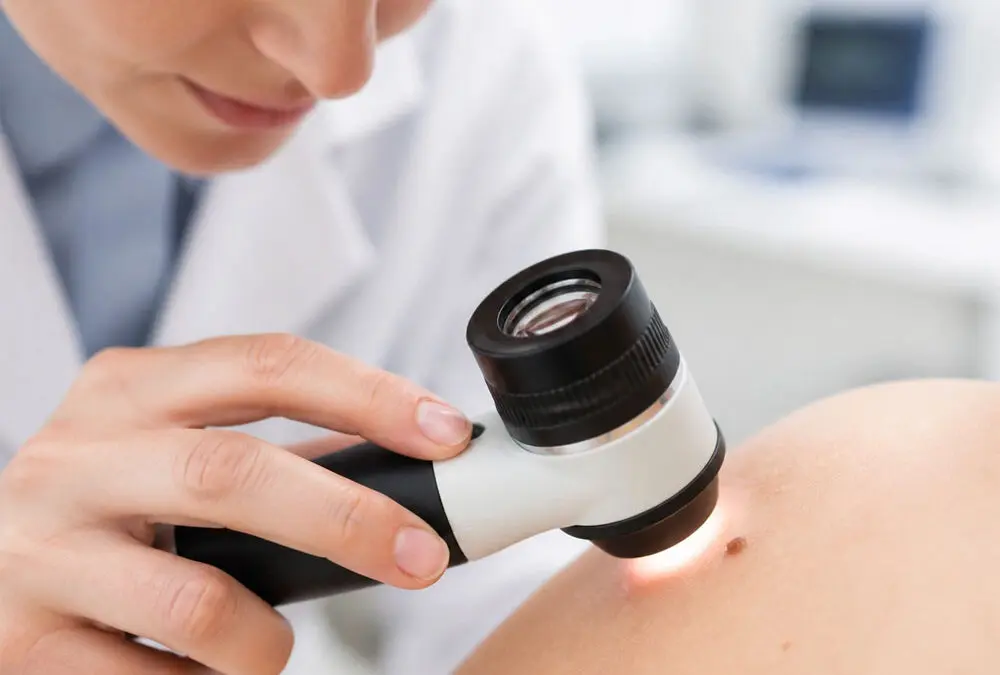
Can AI Apps Really Detect Skin Cancer?
We live in an age where there is quite literally an app for everything. Whether you’re trying to track your sleep, count your steps, or identify a mysterious plant in your backyard, your smartphone...

Ozempic Face and How To Restore Your Natural Volume
Weight loss is a journey of transformation, often marked by increased energy, improved health markers, and a newfound sense of confidence. In recent years, the rise of GLP-1 receptor agonists:...
RF Microneedling vs. Traditional Microneedling
If you've been researching ways to refresh your skin, you've probably stumbled across microneedling. But then you realize there are two types, traditional and RF (radiofrequency), and suddenly...
Why Everyone Is Talking About RF Microneedling
Walk into any coffee shop in Arizona or flip through your Instagram feed, and you'll probably hear someone gushing about RF microneedling. It's not just another fleeting skincare trend, this...
Botox Vs Dysport – Which Is Better?
If you've ever looked in the mirror and thought, "I just want to look like me, but, like, the well-rested version," you're not alone. And if you've been researching neuromodulators (fancy word for...
Microneedling Explained: Your 2026 Resource
Microneedling has become one of the most popular skin treatments for good reason: it's effective, versatile, and works for almost everyone. As we move into 2026, this treatment continues to evolve...
Schedule An Appointment
Surprise
Buckeye
