
If you’ve ever looked in the mirror and seen a face that looks like it just ran a marathon: even though you’ve been sitting on the couch: you’re likely familiar with the frustration of rosacea. It starts as a little blush, maybe a bit of extra pink on the cheeks, but for many of our patients here at Arizona Skin Institute, it can quickly turn into persistent redness, visible blood vessels, and even tiny, acne-like bumps.
The hardest part about rosacea? It feels unpredictable. You think you’ve got it under control, and then boom: a flare-up hits. While many people know the “big” ones like spicy tacos or a glass of red wine, there are dozens of smaller, sneakier triggers that could be sabotaging your skin.
We believe that knowledge is power. When you understand what’s making your skin react, you can take the driver’s seat in your treatment journey. Let’s dive into 10 common: and some very surprising: triggers that might be causing your rosacea to act up, and how we can help you find relief.
1. The Unrelenting Arizona Sun and Heat
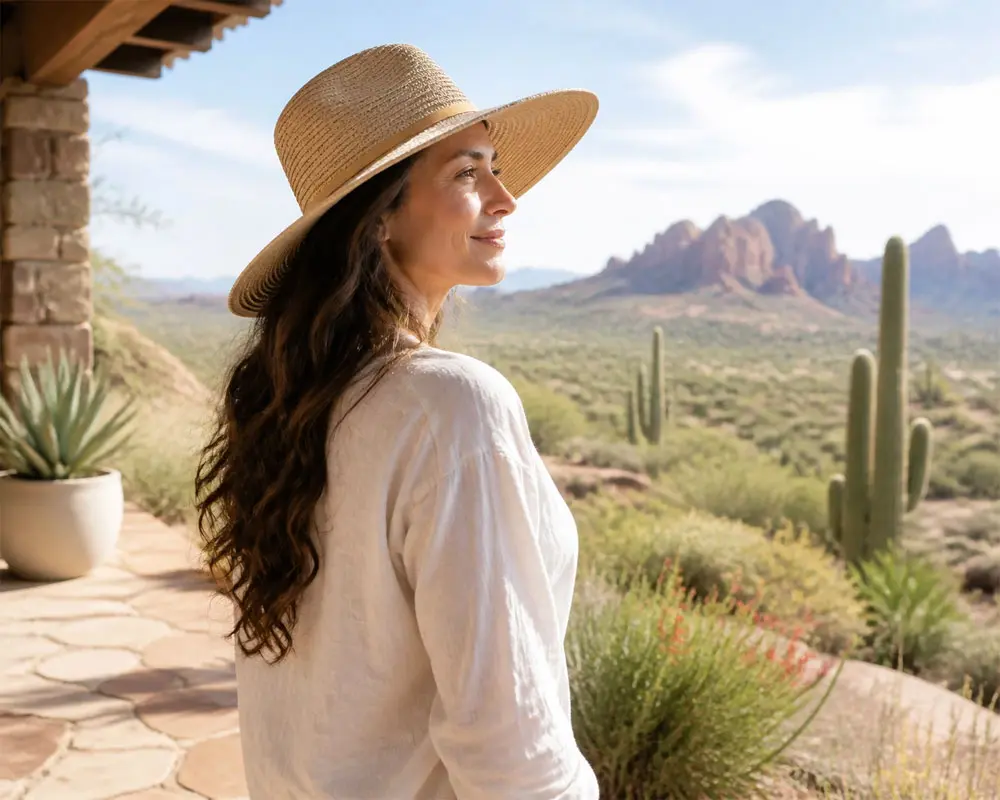
Living in the Phoenix area is beautiful, but if you have rosacea, the sun is often your number one enemy. In fact, sun exposure is the most commonly reported rosacea trigger across the board. It’s not just about getting a sunburn; the UV rays actually damage the blood vessels and stimulate the skin’s inflammatory response.
In Arizona, the heat itself is a double whammy. When your body temperature rises, your blood vessels dilate (expand) to help you cool down. This process, called vasodilation, sends a rush of blood to the surface of your skin, leading to that telltale flush. If you’re spending time outdoors, even just walking from your car to the office, that intense desert heat can be enough to set off a flare.
2. Emotional Stress and Anxiety
Have you ever noticed that your skin flares up right before a big presentation or after a tough day at work? It’s not in your head. Stress is a major physiological trigger. When you’re stressed, your body releases chemicals like cortisol and adrenaline, which can lead to inflammation and increased blood flow to the face.
At Arizona Skin Institute, we see many patients whose rosacea is directly tied to their emotional well-being. While we can’t take the stress out of your life, we can help you manage the physical symptoms it leaves behind on your skin. Compassion is at the heart of what we do because we know how much a flare-up can affect your self-confidence.
3. Alcohol (And Not Just Red Wine)
It’s a classic for a reason. Red wine is notorious for triggering rosacea because it contains both alcohol (a vasodilator) and histamines, which can cause flushing. However, it isn’t just the “red” that’s the problem. Any alcohol: beer, white wine, or spirits: can cause the blood vessels in your face to relax and open up, leading to redness.
If you find that happy hour always leads to a “rosy” morning, you might want to try switching to a mocktail or ensuring you drink plenty of water alongside your beverage to keep your body temperature stable.
4. Hot Beverages (Even if They Aren’t Caffeinated!)
This one often catches people off guard. You might think it’s the caffeine in your morning coffee that’s the culprit, but research suggests it’s often the heat of the liquid itself. Hot coffee, hot tea, or even a bowl of steaming soup can raise the temperature of your mouth and throat, which are located very close to the blood vessels in your face.
Interestingly, iced coffee or iced tea usually doesn’t cause the same reaction. If you can’t live without your morning brew, try letting it cool down to room temperature before you sip, or make the switch to the iced version to keep your skin calm.
5. “Healthy” Foods with Hidden Triggers
We usually think of spicy food: like hot sauce or jalapeños: as the main dietary trigger. Capsaicin, the stuff that makes peppers hot, is a major vasodilator. But did you know that some “healthy” foods can be just as problematic?
Foods high in histamine, such as aged cheeses, citrus fruits, and even tomatoes, can trigger a rosacea response in some people. Certain fruits like bananas and plums, or even chocolate, have been linked to flares. This is why we often recommend keeping a “Rosacea Diary” to track what you eat and how your skin reacts. Every person is different!
6. Intense Exercise
We will never tell you not to exercise: staying active is vital for your health! However, high-intensity workouts that get your heart rate soaring and your body temperature climbing are a common trigger. Whether it’s a heavy lifting session or a long run in the Arizona sun, the physical exertion can cause significant flushing.
To combat this, try working out in a climate-controlled gym, using a damp cooling towel around your neck, or breaking your workout into shorter, less intense bursts to keep your core temperature from spiking.
7. Surprising Skincare Ingredients
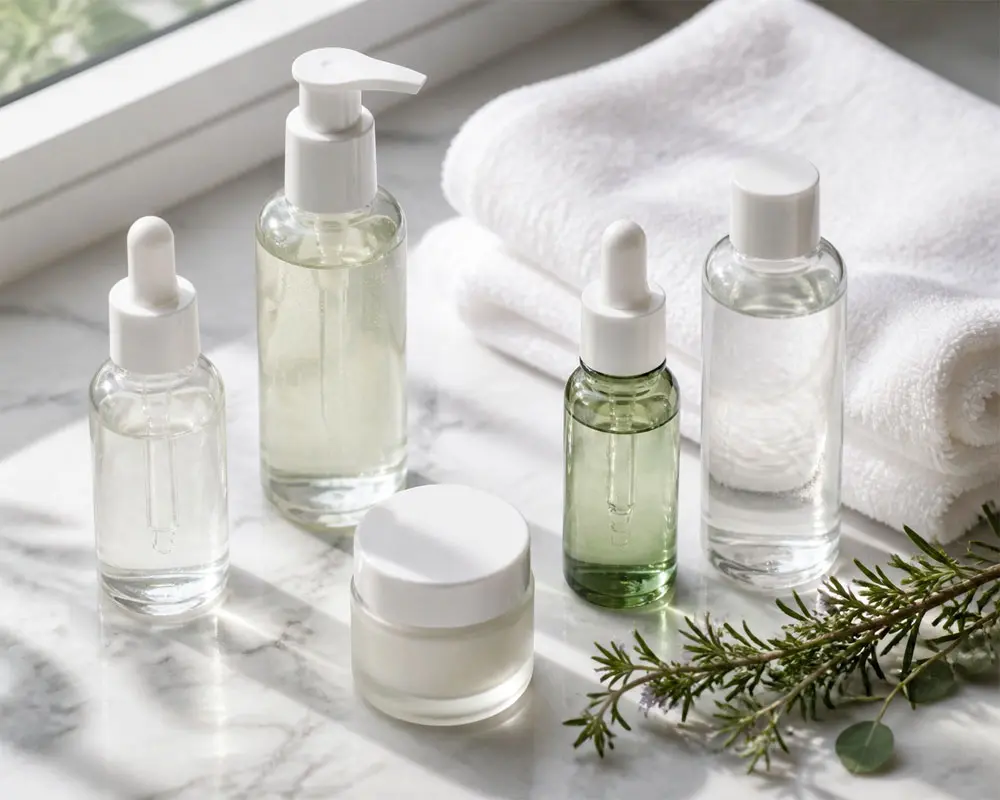
This is a heartbreaking one. Many people trying to “fix” their skin actually end up making their rosacea worse by using the wrong products. Many over-the-counter anti-aging or acne treatments contain ingredients that are far too harsh for a rosacea-prone barrier.
Common culprits include:
- Alcohol and Fragrances: These are major irritants that can strip the skin.
- Witch Hazel: Often too drying for sensitive skin.
- Menthol or Eucalyptus: These give a “cooling” sensation that actually signals irritation to rosacea skin.
- Exfoliating Acids: While glycolic or salicylic acids are great for some, they can be a nightmare for rosacea.
If you’re unsure about your routine, we recommend checking out our skin care products curated for sensitive types, or coming in for a consultation so we can build a safe regimen for you.
8. Weather Changes and Wind
While we talk a lot about the heat, simple “weather changes” can be a trigger. A sudden drop in temperature or a particularly windy day can irritate the skin’s surface and cause a flare. In the desert, we also deal with very low humidity. Dry air pulls moisture out of your skin, weakening your natural protective barrier and making you more susceptible to other triggers. Using a humidifier at home can often make a world of difference for your comfort levels.
9. Refined Carbohydrates and Sugar
Newer research is beginning to look at the link between gut health and skin health. High-sugar diets and refined carbohydrates (like white bread, pasta, and sugary snacks) can cause spikes in blood sugar. These spikes lead to systemic inflammation, which can manifest on your face as a rosacea flare. Swapping out processed snacks for whole foods can sometimes help quiet the “fire” in your skin from the inside out.
10. Microscopic Mites (Demodex)
It sounds like something out of a sci-fi movie, but everyone has tiny mites called Demodex folliculorum living in their hair follicles. In people with rosacea, these mites are often found in much higher numbers. While they are a normal part of the skin’s microbiome, an overabundance can trigger an immune response that leads to the bumps and redness associated with papulopustular rosacea. This is one of the many reasons why professional medical treatment is so important: sometimes you need a prescription-strength approach to balance things out.
How We Can Help at Arizona Skin Institute
Dealing with rosacea can feel like a full-time job. Between checking ingredients and avoiding the sun, it’s easy to feel overwhelmed. But you don’t have to do it alone.
At Arizona Skin Institute, Dr. Jay G. Mehta and our dedicated team understand the physical and emotional toll that rosacea takes. We don’t just see a “red face”; we see a person looking for a better quality of life. We offer a range of specialized rosacea treatments designed to reduce redness, clear up bumps, and strengthen your skin barrier.
From medical-grade topicals to advanced laser therapies that target visible blood vessels, we have the tools to help you manage your triggers effectively. We focus on a compassionate, personalized approach because we know that what triggers one person might not affect another.
Ready to take control of your skin?
If you’re tired of the guessing game and ready for a professional plan to manage your rosacea, we’re here for you. Whether you’re in Surprise, Phoenix, or the surrounding areas, our team is ready to provide the support you deserve.
Don’t let a flare-up keep you from living your life. Book an appointment now and let’s work together to bring back your glow: the healthy kind!
What to Expect with a Full-Body Skin Exam
Why Regular Full-Body Skin Exams Are Essential in Arizona Living in Arizona means enjoying abundant sunshine year-round. While our sunny climate offers many benefits, it also puts us at higher risk...
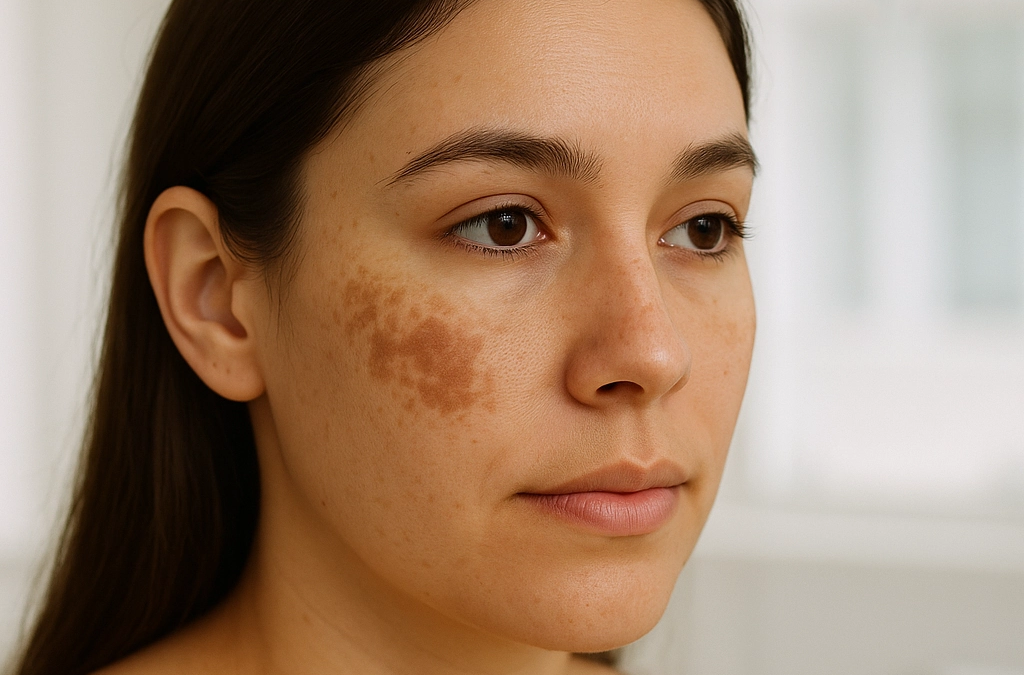
Melasma in Arizona: Tips and Best Practices
Living in Arizona means enjoying abundant sunshine almost year-round, but this desert blessing comes with unique skin challenges. Among these, melasma stands out as a particularly frustrating...

Skincare Routines for Teens, Adults, and Seniors
At Arizona Skin Institute, we understand that skincare isn't one-size-fits-all. Your skin's needs evolve dramatically throughout your life, requiring different approaches and ingredients at each...

Preventative Boxox in Your 20s
When you hear the word Botox, you probably picture someone smoothing out fine lines and wrinkles that have already formed. Traditionally, Botox has been thought of as a way to turn back the clock —...

Skincare Ingredients to Avoid if You Have Rosacea
If you have rosacea, you know that your skin can feel like it’s walking a tightrope: one wrong step, and you're dealing with stinging, intense redness, or even painful flare-ups that can last for...
Skin Purging vs Breakouts: How to Tell the Difference
If you’ve ever started a new skincare product only to find your skin looking worse before it looks better, you’re not alone. It’s a frustrating experience that often leads to confusion: Is my skin...
The Impact of Hormonal Changes On Skin
Hormones play a crucial role in regulating many bodily functions, and one of the most visible ways they affect us is through our skin. Throughout different life stages—puberty, pregnancy, menopause,...
Schedule An Appointment
Surprise
Buckeye
